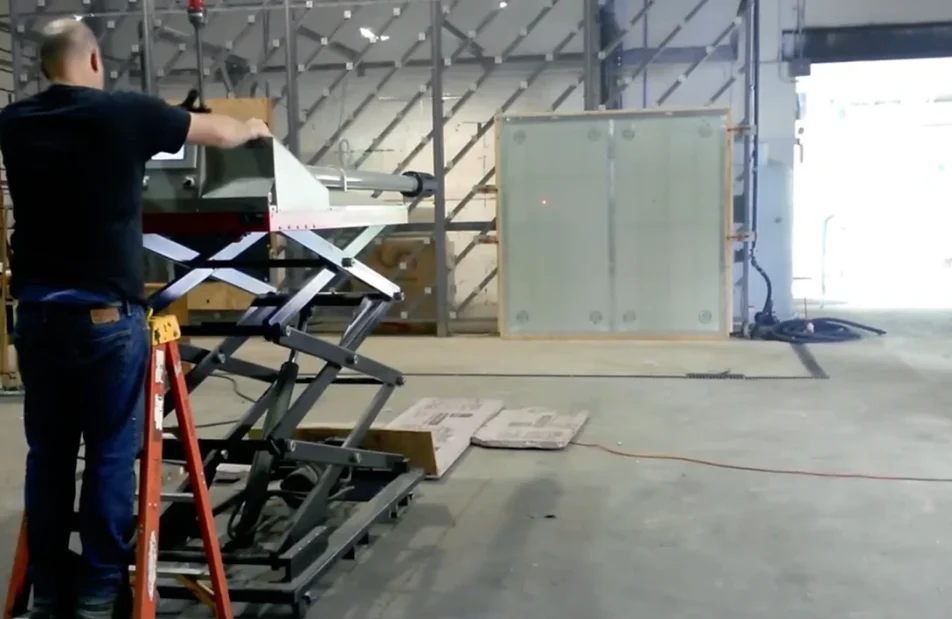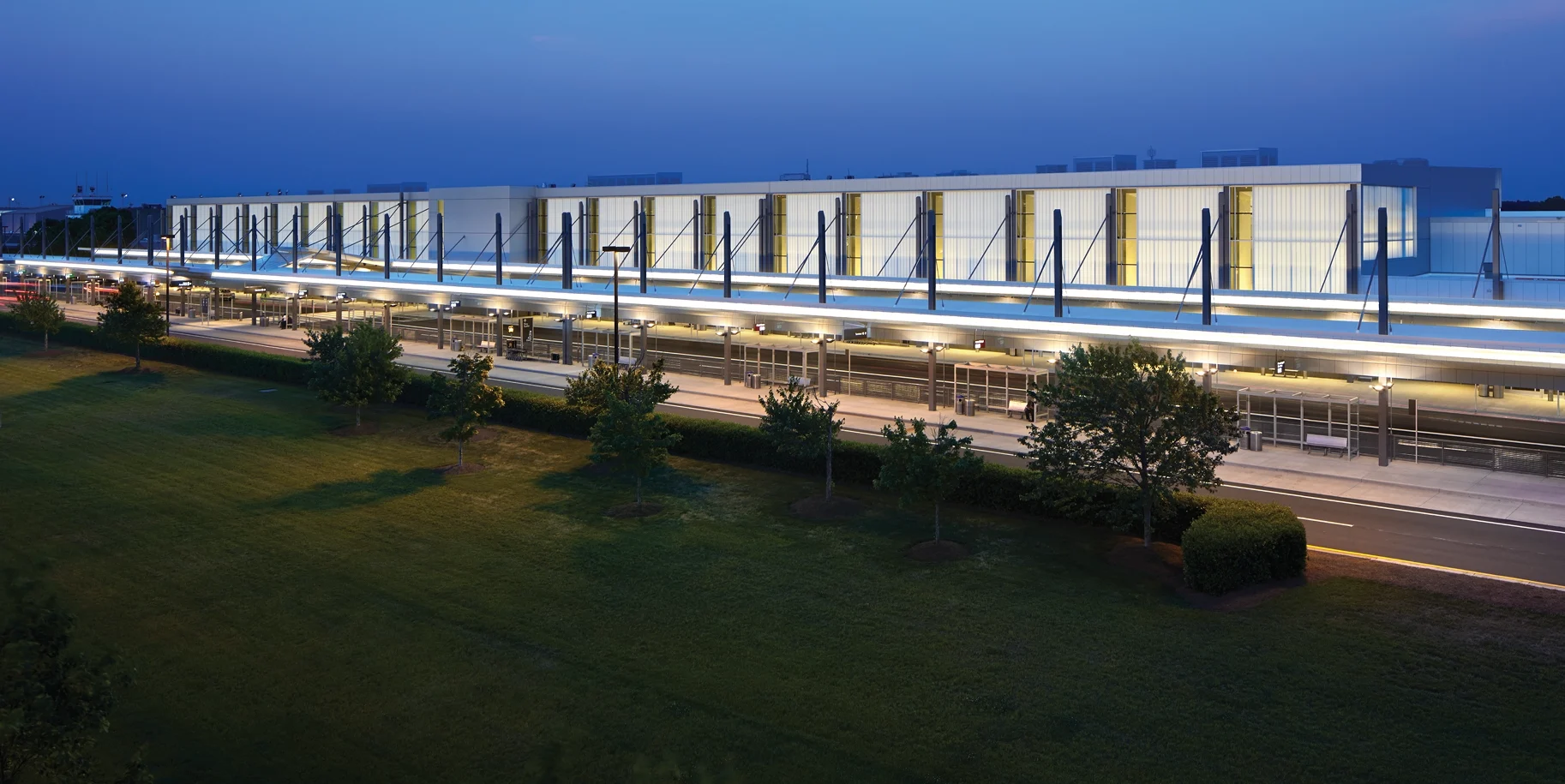
When coastal codes, impact testing, and design pressure requirements get tougher, the wall system matters more, not less. Vertical glazing, openings, and facade elements take direct windborne debris and pressure cycling during a major storm, and the benchmark they have to meet is Large Missile D, the most demanding windborne debris impact standard in the code. Earning that rating takes rigorous, independently verified impact and pressure-cycle testing that confirms a system resists penetration and water infiltration.
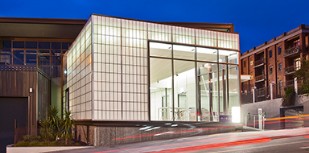
Kalwall meets that standard as a translucent wall system. Where conventional impact glazing tends to be heavy, expensive, or visually harsh, Kalwall delivers soft, glare-free daylight while carrying tested impact resistance and strong thermal performance. And because the panel is roughly a third the weight of glass, it spans farther than laminated glass or polycarbonate can while holding its Large Missile D rating, which lets you design coastal walls at an architectural scale those materials cannot reach.
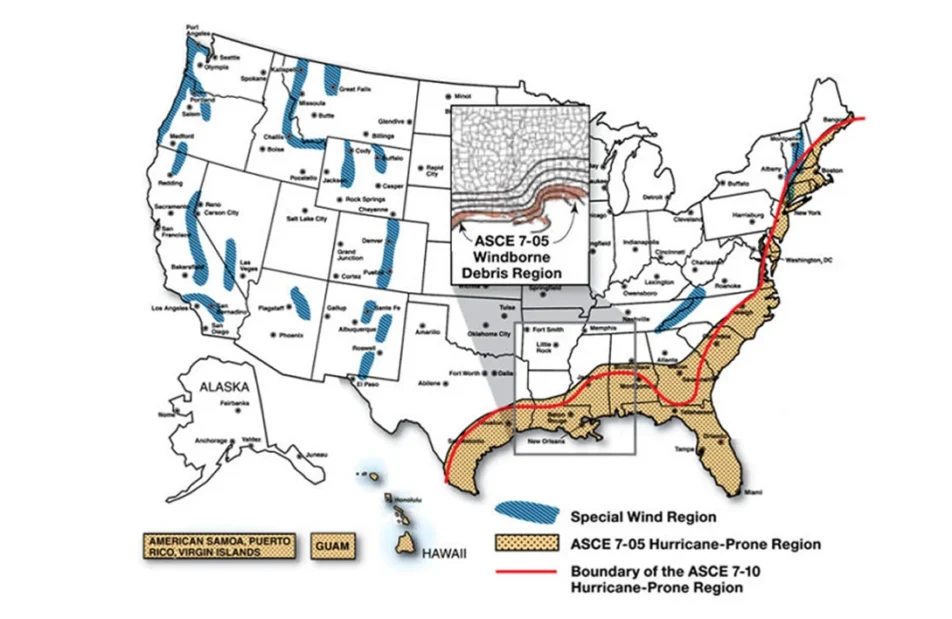
Hurricane-rated requirements are not nationwide. They are triggered by location. The shaded zones cover the windborne debris regions defined by ASCE 7, running along the Gulf and up the entire eastern seaboard, where building codes require the envelope to resist impact and pressure from a major storm.
If your project falls inside one of these regions, missile impact performance is a code requirement, not a design upgrade. The earlier you confirm which zone applies, the easier it is to specify the right wall system before details are locked in.
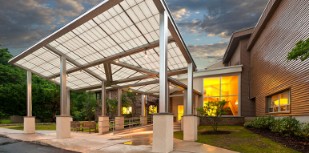
In hurricane-prone regions, code compliance often starts with the wall assembly. Kalwall hurricane-rated wall systems are engineered for projects that need to meet demanding performance requirements without giving up daylight quality.
The result is a facade or window wall solution that helps control glare, deliver diffuse natural light, reduce reliance on artificial lighting, and create a more comfortable interior environment.
For qualifying applications, Kalwall systems can be configured to meet demanding hurricane criteria, including ASTM E1886/E1996 and project-specific impact and pressure requirements. Tested assemblies can also support up to Large Missile D criteria and design pressures exceeding 100 PSF, depending on system configuration and approval path.
Because every project is unique, wall compliance should be evaluated during preliminary design before details are finalized and before inappropriate face sheet selections make their way into the specification.
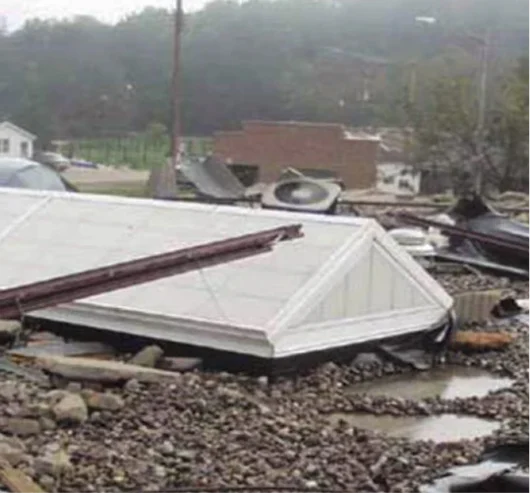
Tested Kalwall wall assemblies developed for impact resistance, wind pressure performance, and project-specific compliance pathways.
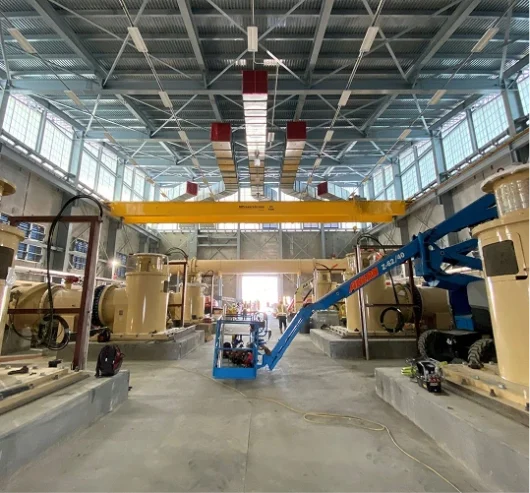
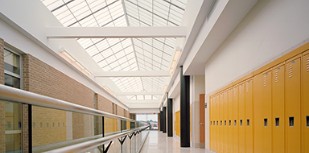
Natural light brought deep into the building, without the hot spots, harsh contrast, and visual discomfort of clear glazing.
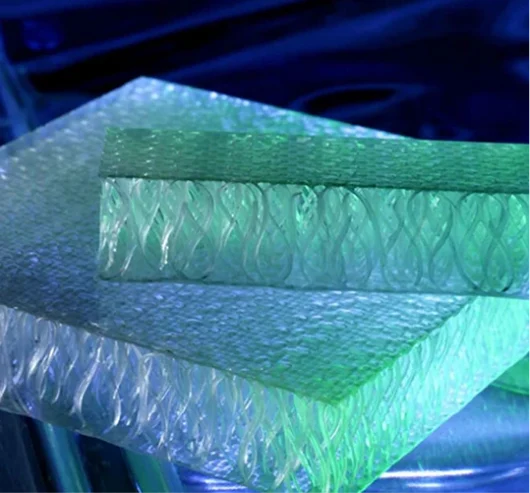
At about a third the weight of large-span impact glass, Kalwall reduces structural demand and improves cost efficiency, and it will not spiderweb or send shards if struck.
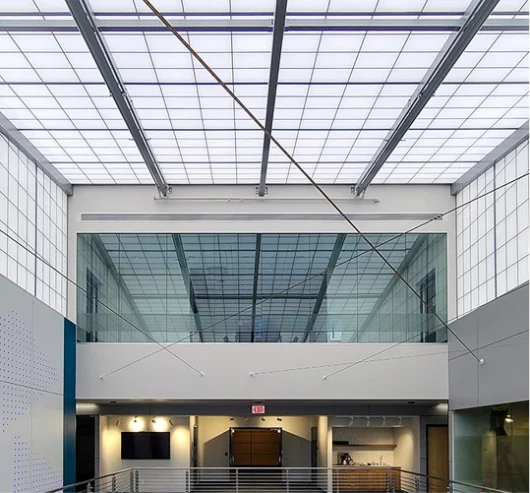
Kalwall holds up to Large Missile D across larger grid modules and longer spans than laminated glass or polycarbonate can achieve, for expansive, seamless walls of daylight that are otherwise structurally impossible or cost-prohibitive.
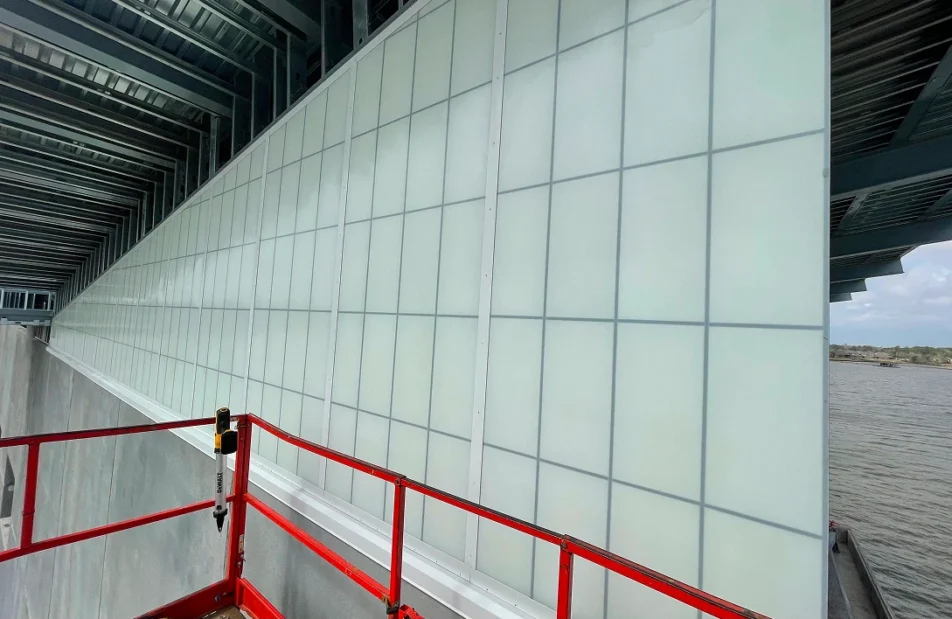
Windborne debris protection comes in levels, and not every material reaches every level. Large Missile D is the highest level translucent systems achieve, and the highest most projects will ever require. There is one tier above it, Missile E, but it applies only to essential facilities such as hospitals and emergency services within thirty feet of grade in the most severe wind zones, and no current translucent system meets it. For hurricane-rated walls, Large Missile D is the standard that matters, and it is the one Kalwall delivers.
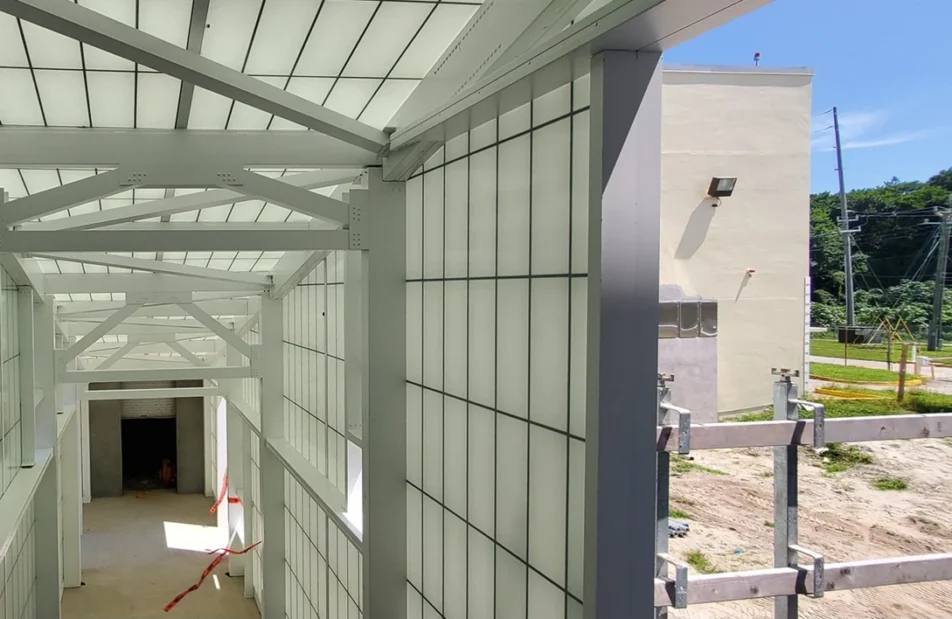
A common misconception is that roofs carry the greatest storm risk and walls are less critical. In reality, walls, sidelites, glazed openings, and facade elements are often the most directly exposed to windborne debris and cyclic pressure during a major storm, which means the vertical enclosure has to be evaluated just as carefully as the roof.
Another misconception is that light-transmitting products in hurricane zones have to be unattractive, expensive, or shuttered. Kalwall offers a different path: a tested translucent wall assembly that preserves daylight, privacy, visual softness, and architectural scale without a dark interior or a heavy glass-only solution.
These applications do call for specific construction. Standard Super Weathering face sheets cannot be used on the exterior of a windborne debris wall, so the exterior face is white, and the system is warranted differently from standard Kalwall in line with the performance it is engineered to deliver. Your representative confirms the right face sheet, configuration, and warranty during design.
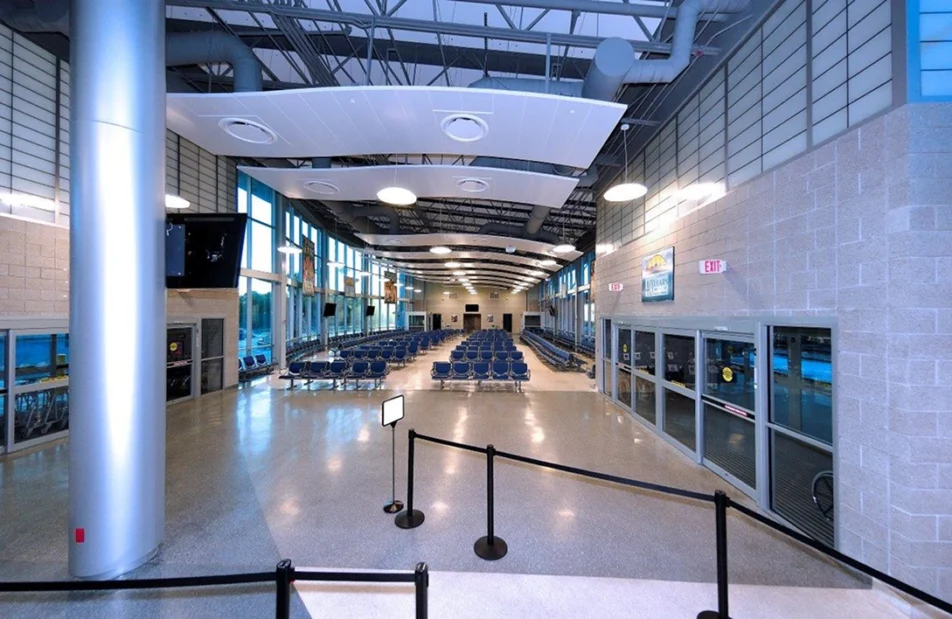
Architects and engineers come to Kalwall when they need to balance code, cost, and design, and design for coastal resilience without giving up the architectural benefits of translucent daylighting. When a project also calls for vision glazing, Kalwall delivers that to the same standard: E-Series windows meet up to Large Missile D in fixed and project-out configurations, so glazed openings hold the line alongside the wall around them.
Compared with many impact-rated glass approaches, Kalwall can offer:
+ Lower system weight
+ Large daylighting spans
+ Softer, more even interior light
+ Strong thermal performance
+ No spiderweb cracking appearance after impact
+ Lower maintenance and a different visual expression than conventional clear glazing
+ Shatter-proof performance
+ Fixed and project-out E-Series windows rated up to Large Missile D where vision is required
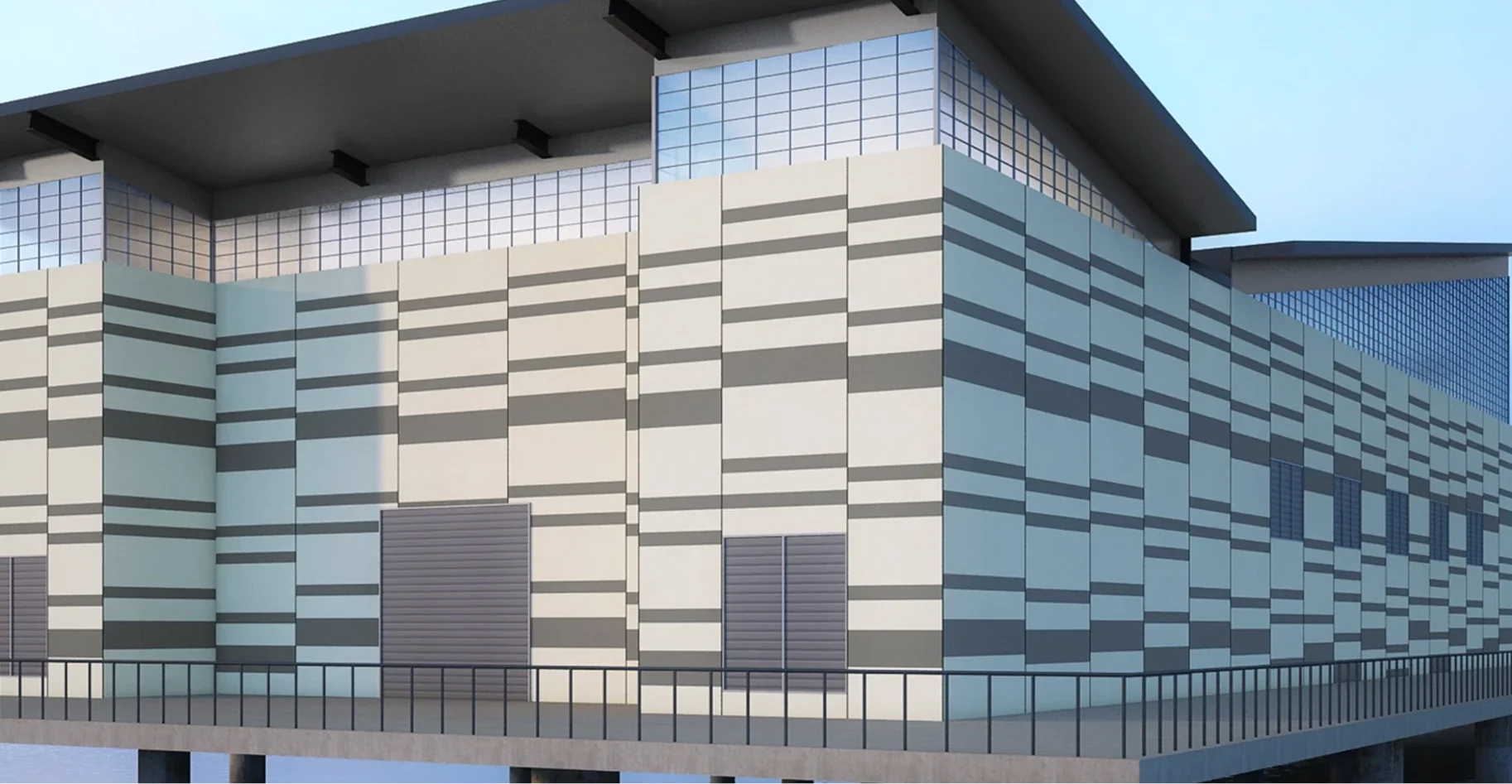
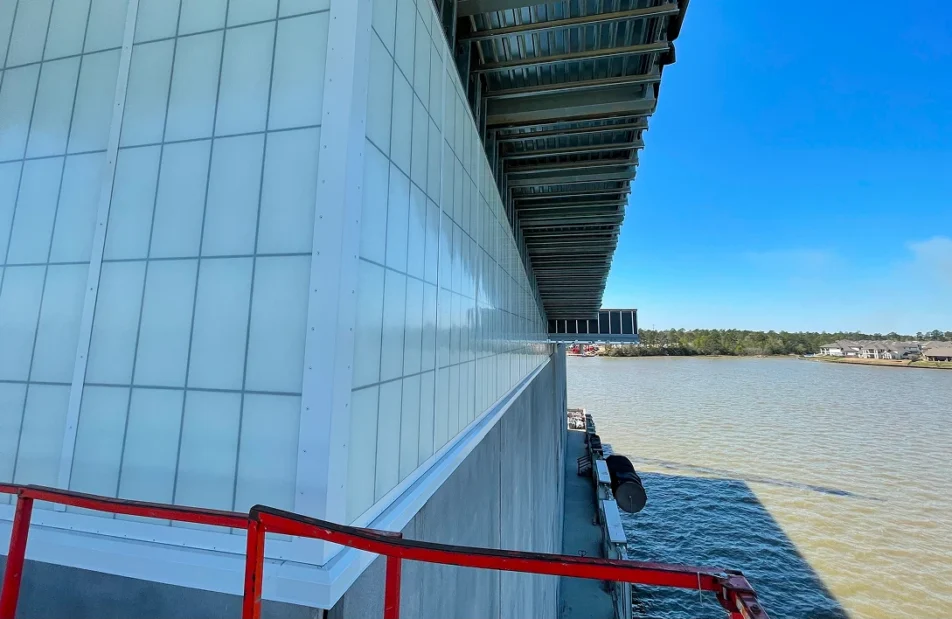
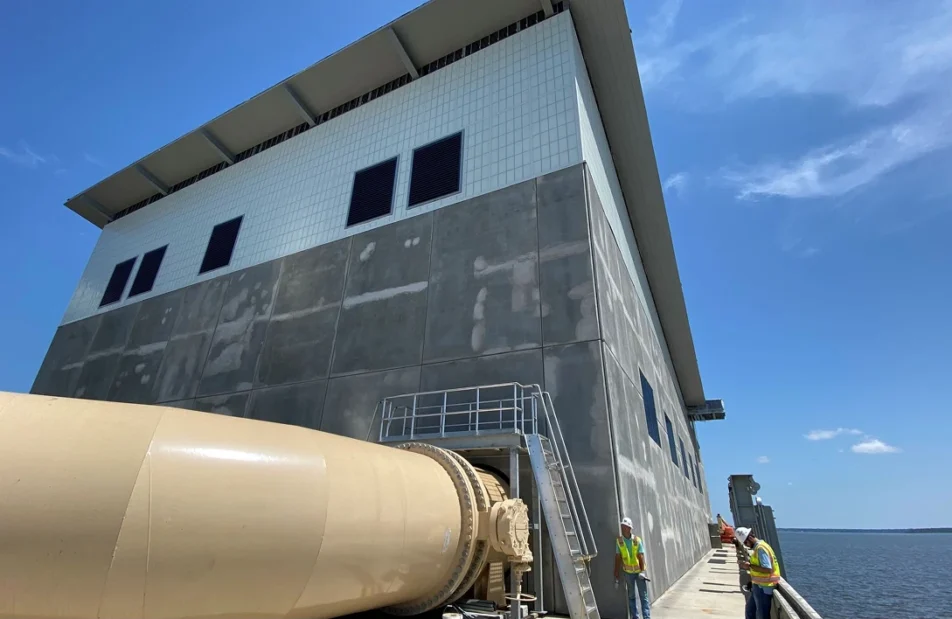
A 30,000 square foot raw water intake building in the middle of Lake Houston, on the Gulf Coast where hurricane code is non-negotiable. Kalwall brings daylight into a working industrial interior while standing up to windborne debris.
Standards and Certifications:
+ ASTM E1886/E1996 (windborne debris impact and cyclic pressure)
+ Large Missile C and D
+ Florida Product Approval
+ Recognized by Texas Department of Insurance (TDI) and Miami-Dade testing
+ Design pressures exceeding 100 PSF, depending on configuration
+ E-Series windows: Large Missile D in fixed and project-out configurations
Working on a project in a hurricane-prone region? Bring Kalwall in at preliminary design, when it is easiest to control cost and keep the configuration on track. Share the project location (zip code), the height of the Kalwall application above grade, and the wind load (ASD) in PSF for components and cladding. Kalwall can review tested configurations, specification language, and documentation needs before they become costly design changes. Reps respond within two business days of receiving a request.