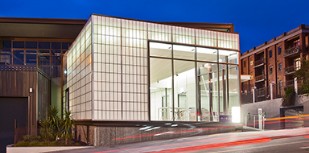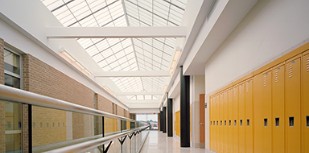
Interior view of Dunbar High School showcasing a spacious atrium with large windows, featuring red banners honoring Paul Laurence Dunbar, and students engaging in various activities throughout the area.

Making history

70+ years of daylighting

Our Founder

Who Was Robert R. Keller, Sr.?

Born in 1913, Robert was amazed by the still-infant technology of airplanes—that something as impossible as man taking flight could be made possible by combining the right materials. So, at a young age, he began to wonder what else was possible with the right materials.

He experimented with surfboard design—another way to help man do the impossible—and then snowboards. He discovered the power of combining dissimilar materials to create better composites. He suffered a few explosions in the basement, but a lifelong inventor was born.

After graduation from Dartmouth College and the Tuck School of Business, Robert got a true start in a composites career at the Hermsdorf Manufacturing Company, where he eventually became general manager. By 1941, he had converted this store fixture firm into a defense plant that manufactured molded plywood and wood composites for airplanes, mine sweepers and signal core masts. Toward the end of WWII, he started his first company, Keller Products, which designed, engineered and manufactured composite architectural materials for the aircraft, building and furniture industries. Then, he developed the insulated, light-transmitting panel, named Kalwall, which became familiar to architects worldwide. Robert adapted the Kalwall technology to develop active and passive solar collectors to counter the energy shortage of the early 1970s. His ingenuity led to over 30 patents and recognition for his pioneering work in adhesives, structural plastics, composites and solar energy devices. In 1999, Robert was awarded the Passive Pioneer Solar Award by the American Solar Energy Society (ASES) and was made a Fellow of ASES the following year.
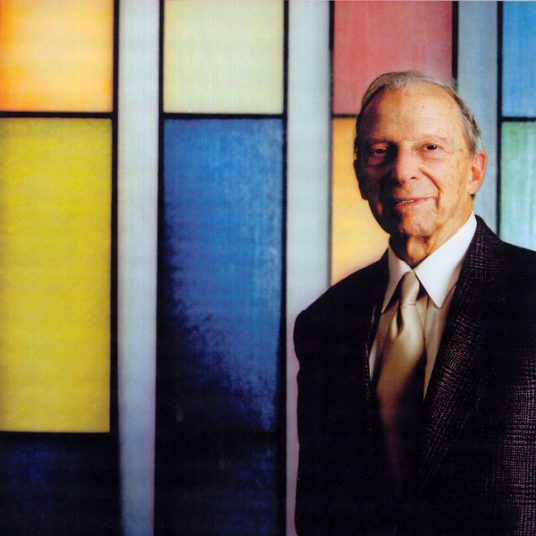
Robert R. Keller, Sr. standing in front of colorful glass panels, representing innovation in architectural materials and daylighting solutions.

A Timeline of Inspiring Kalwall Projects

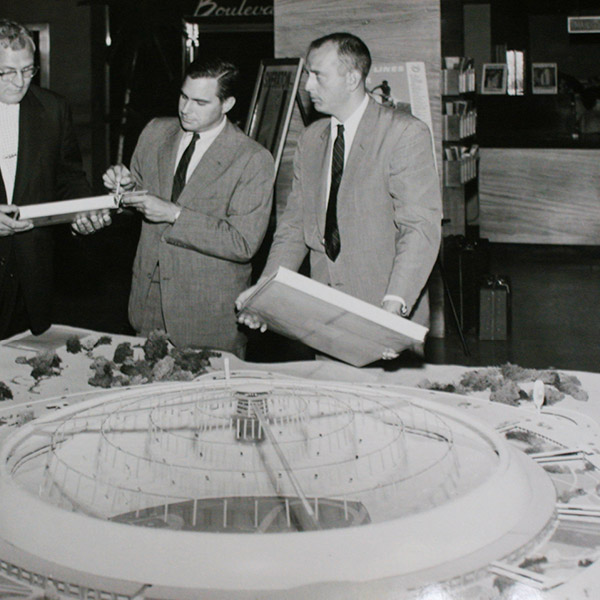
Architects discussing a model of the US Pavilion for the 1958 World's Fair, showcasing innovative design elements and architectural collaboration.

US Pavilion, 1958 World's Fair

Edward Durrell Stone, Architect

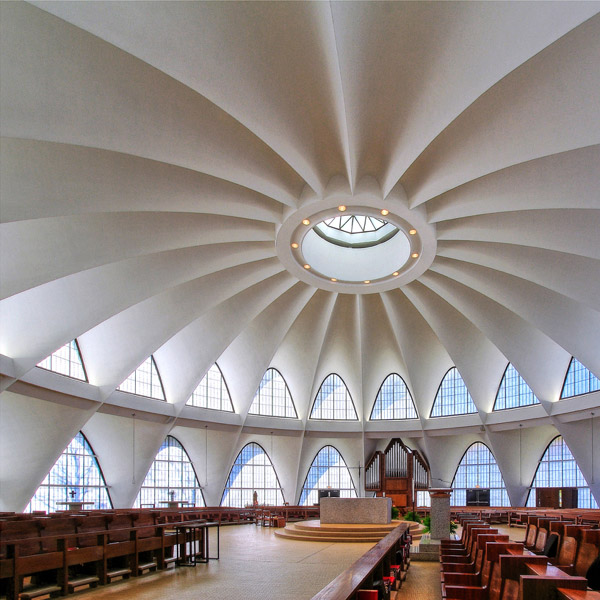
Interior of St. Louis Abbey featuring a circular, vaulted ceiling with a skylight, large arched windows, and wooden pews, designed by architect Gyo Obata, showcasing Kalwall's innovative daylighting solutions.

St. Louis Abbey

Gyo Obata, Architect

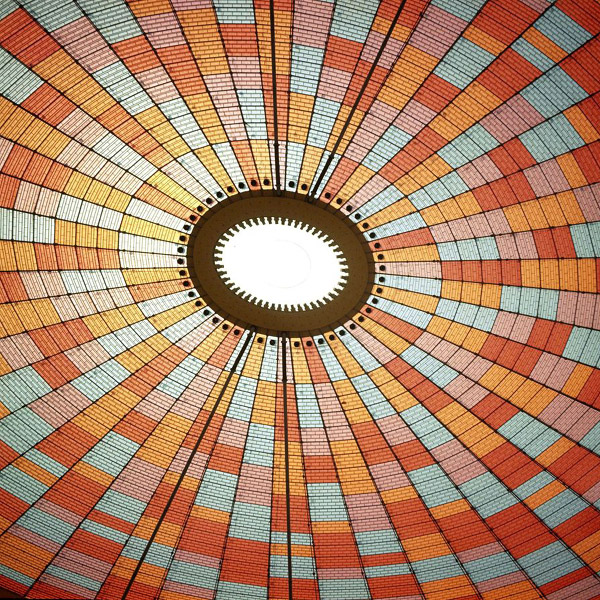
Colorful patterned skylight of the Tent of Tomorrow at the 1964 World's Fair, showcasing Kalwall's innovative daylighting technology.

Tent of Tomorrow (New York State Pavilion), 1964 World's Fair

Philip Johnson, Architect

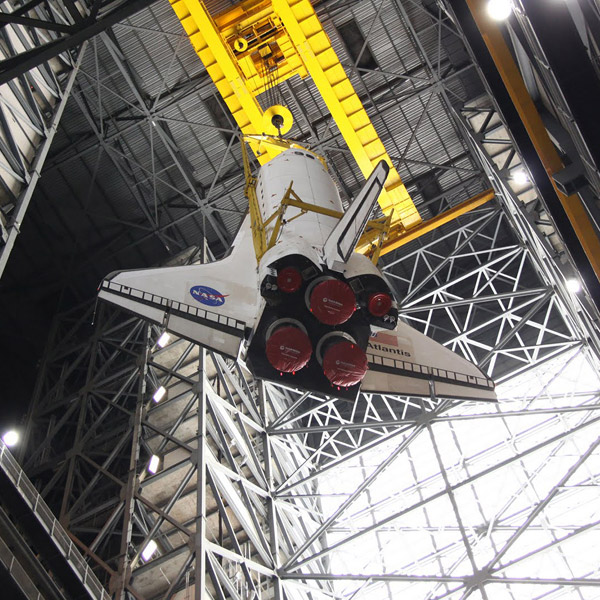
NASA Space Shuttle Atlantis suspended in the Vertical Assembly Building, showcasing innovative architectural design and engineering.

NASA Vertical Assembly Building

Max Urbahn Associates, Architect

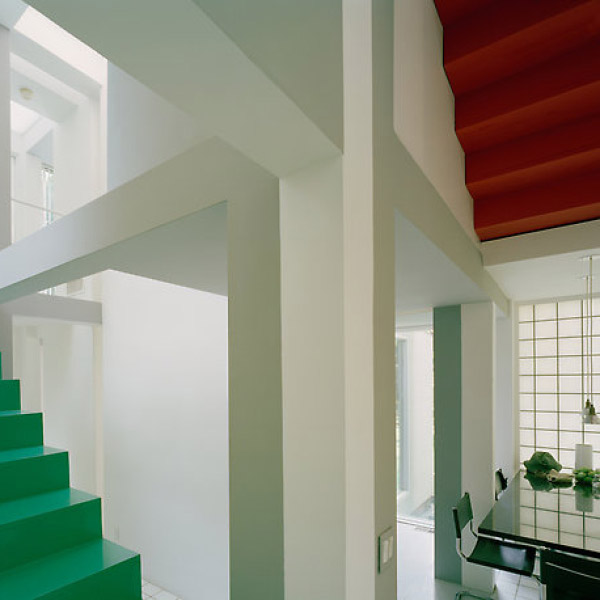
Interior view of House VI by Peter Eisenman, featuring green staircase, white walls, and red ceiling beams, illustrating innovative architectural design and use of space.

House VI

Peter Eisenman, Architect

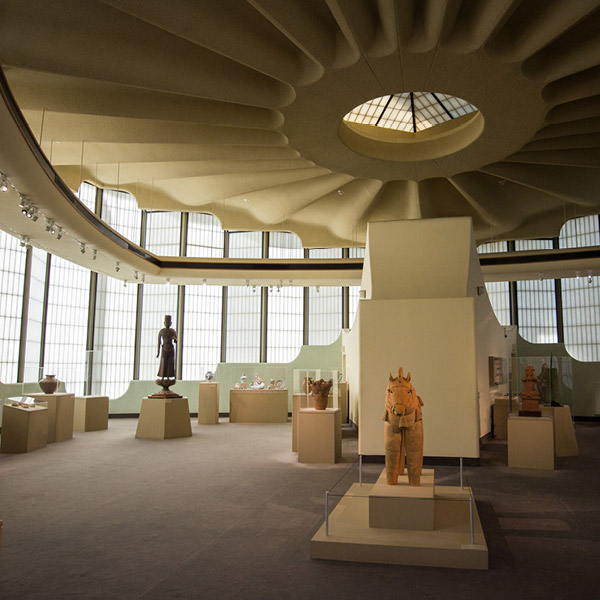
LACMA Pavilion for Japanese Art interior, featuring unique ceiling design, natural light through skylights, and displayed sculptures and artifacts.

LACMA Pavilion for Japanese Art

Bruce Goff & Bart Prince, Architects
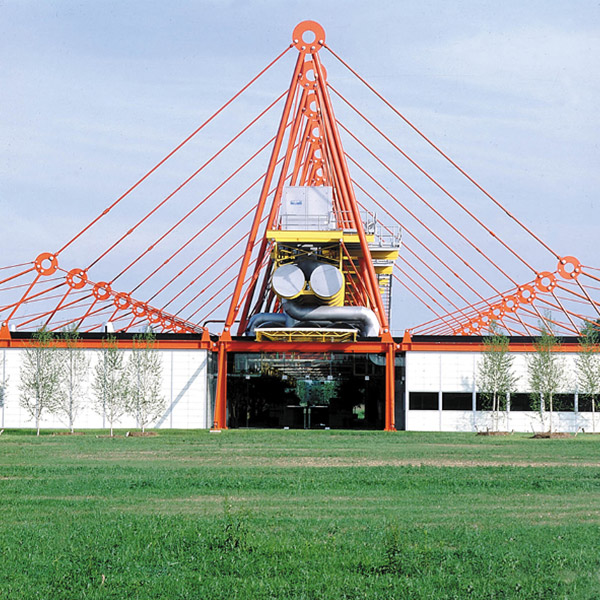
PAT Center, innovative architectural design by Richard Rogers, featuring distinctive red cable supports and modern glass façade, surrounded by green landscape.

PAT Center

Richard Rogers, Architect

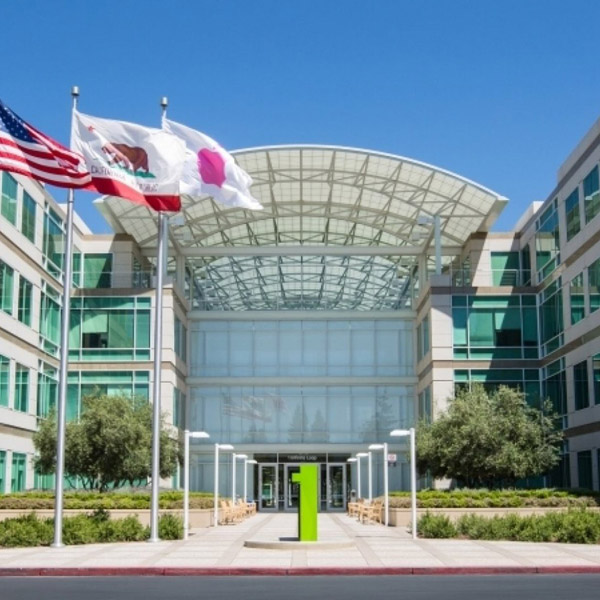
Apple Campus HQ entrance with green number one sign, adjacent to flags including the American and California flags, showcasing modern architectural design and daylighting features.

Apple Campus HQ

Sobrato, Developer

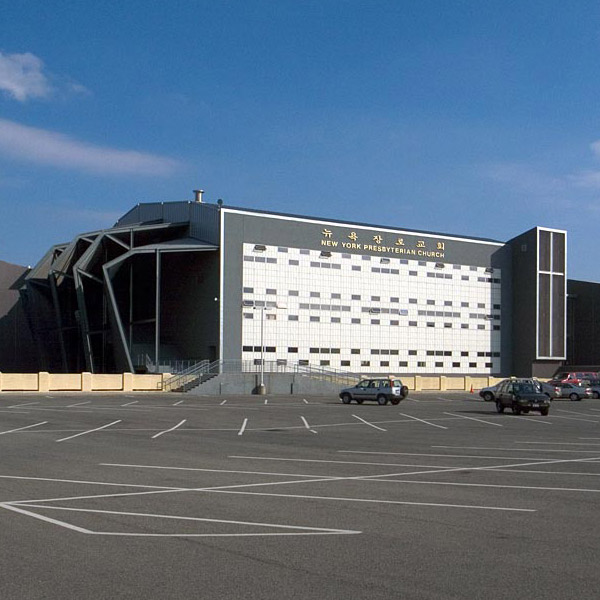
Korean Presbyterian Church of New York, modern architectural design by Greg Lynn, featuring distinctive façade and surrounding parking lot.

Korean Presbyterian Church of New York

Greg Lynn, Architect

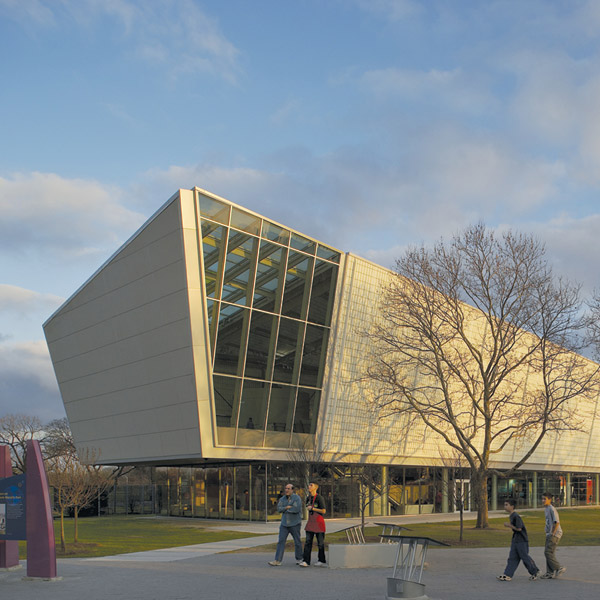
New York Hall of Science building designed by Polshek Partnership, featuring modern architecture with angled glass and metal facade, surrounded by trees and visitors.

New York Hall of Science

Polshek Partnership (now Ennead Architects)
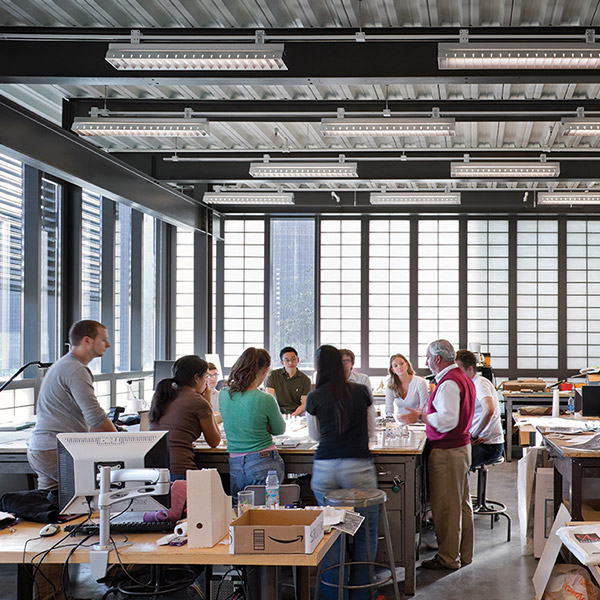
Group of architecture students collaborating in a well-lit studio with Kalwall windows, showcasing soft, diffused daylight and design discussions around model-making.

Yale Sculpture Building

KieranTimberlake Associates, Architect
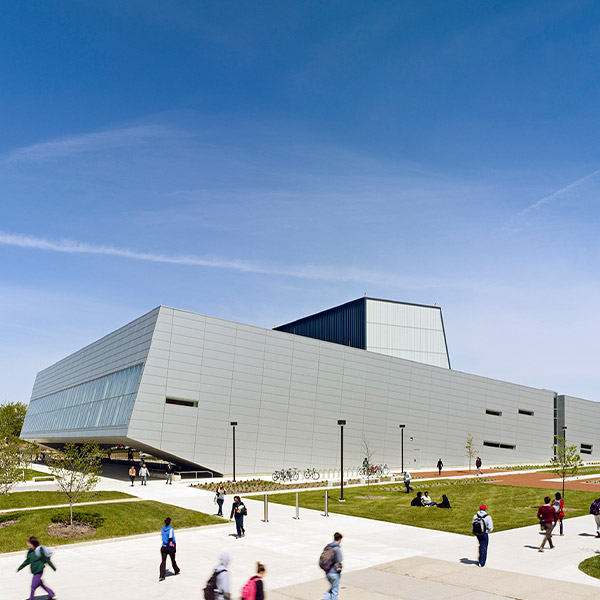
Wolfe Center for the Arts, designed by Snohetta, showcasing modern architecture with angular forms and large glass windows, surrounded by students and green landscaping.

Wolfe Center for the Arts

Snohetta, Architect

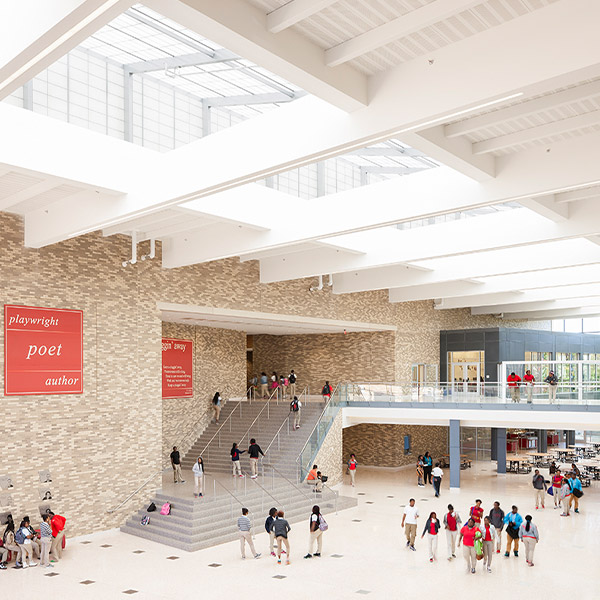
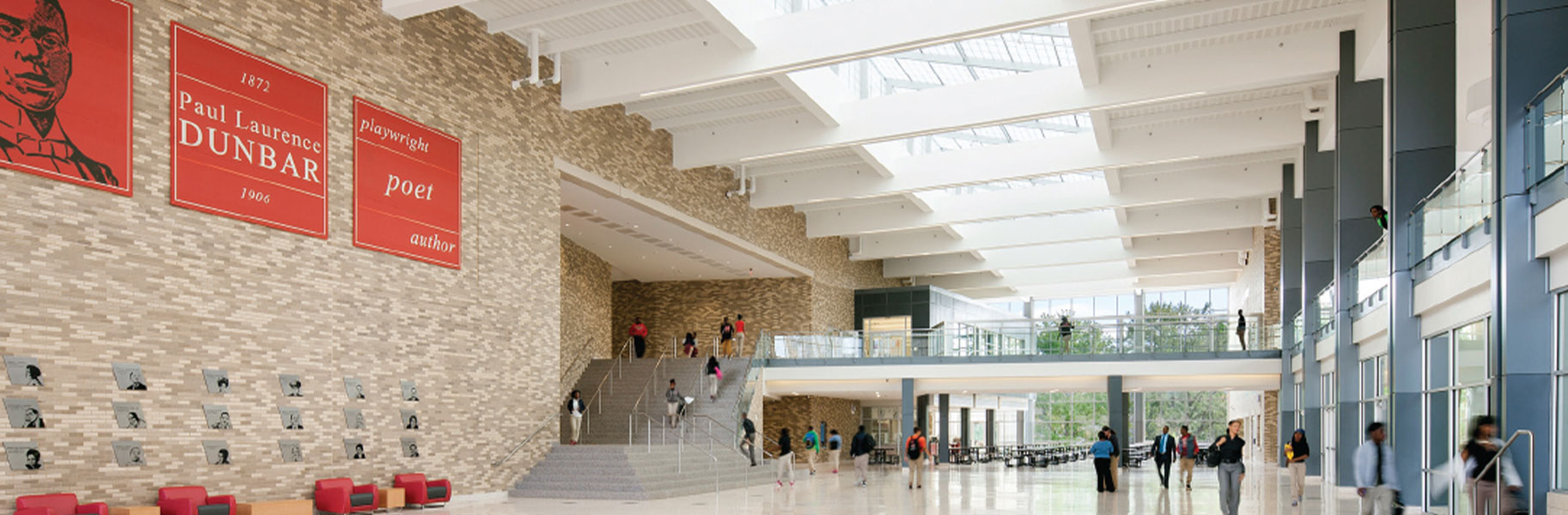
Interior view of Dunbar High School showcasing open space, natural daylighting, and modern architectural design by Perkins Eastman and Moody Nolan, featuring signage with "playwright, poet, author."

Dunbar High School (Highest-Rated Platinum LEED School)

Perkins Eastman + Moody Nolan, Architect
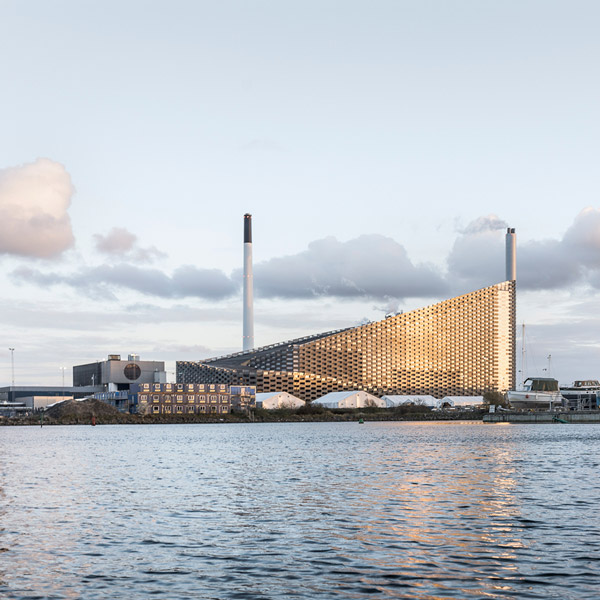
Amager Resource Center (CopenHill) by Bjarke Ingels Group, showcasing innovative architecture and sustainable design, with a distinctive sloped roof and prominent smokestacks, reflecting Kalwall's daylighting solutions in modern projects.

Amager Resource Center, CopenHill

Bjarke Ingels Group (BIG), Architect
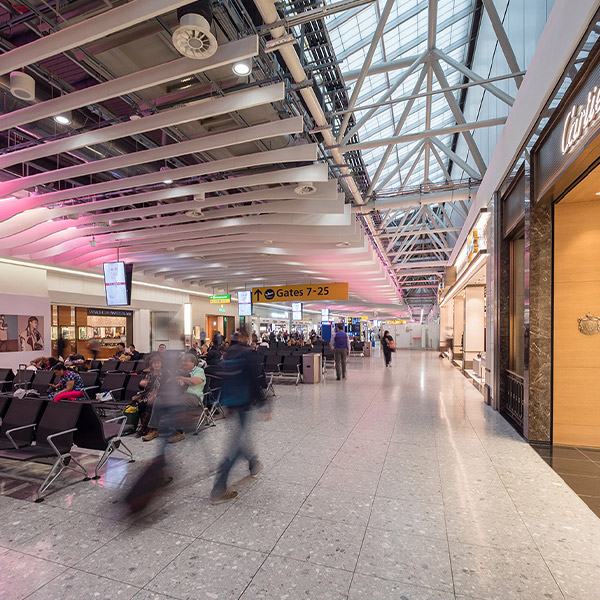
Heathrow Airport Terminal 3 interior showcasing modern architecture, translucent daylighting, passenger seating areas, and directional signage for Gates 7-25.

Heathrow Airport Terminal 4

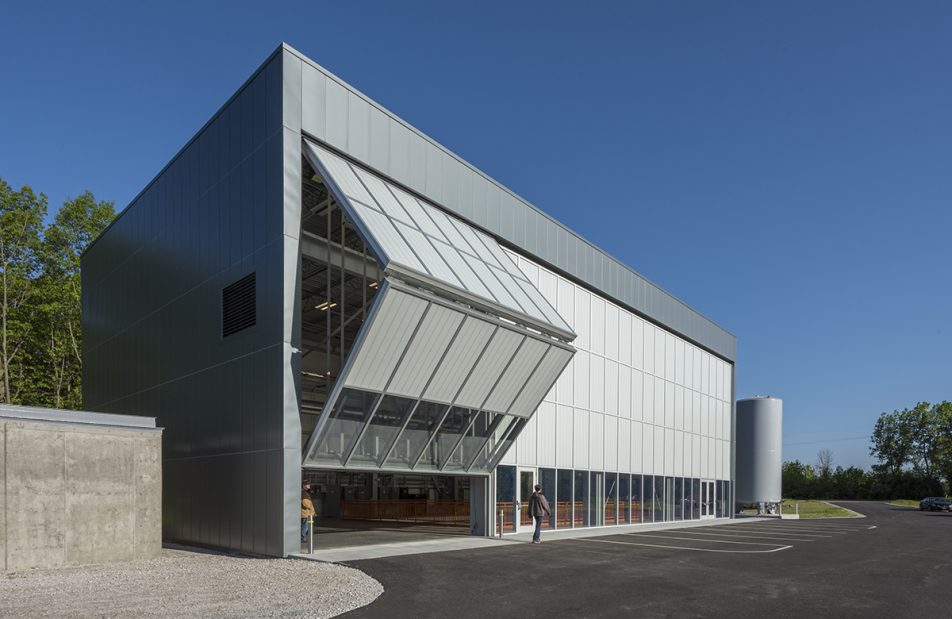
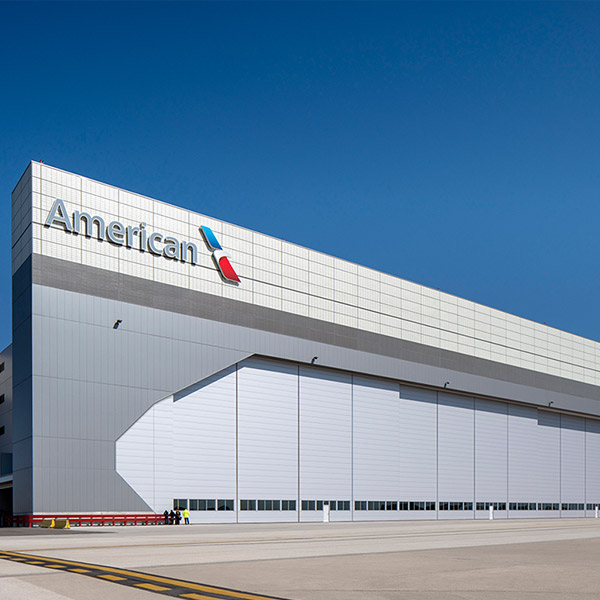
American Airlines hangar at O'Hare Airport, featuring modern architecture by Ghafari Associates, showcasing Kalwall's daylighting technology in a commercial aviation setting.

American Airlines O’Hare Hangar 2

Ghafari Associates, Architect

Kalwall’s many “firsts” in the composites industry

First to:

  • Manufacture an aluminum & FRP sandwich panel
  • Marry aluminum box-beams with composite panels for monumental daylighting spans
  • Develop super-effective UV-resistant coating system
  • Perfect a full-thickness, colorfast resin system
  • Invent a curved panel
  • Develop the only true thermally broken composite grid core
  • Incorporate a glass erosion barrier
  • Produce low-flame and smoke panels that weather well
  • Develop a Class-A skyroof® system
  • Develop a blast-resistant panel
  • Engineer daylighting systems to meet windborne debris codes
  • Develop an FM Class 1 panel
  • Incorporate aerogel insulation
  • Offer free daylight modeling reports

Looking to make history on your next project?

Find Your Local Rep

Don’t stay in the dark!

    Don’t stay
    in the dark!

    Get educational, insightful and inspirational content from the industry leader in daylight. Sign up for our enewsletter before you go.

    Thank You!

    Welcome to our daylighting community.

    Holler Box