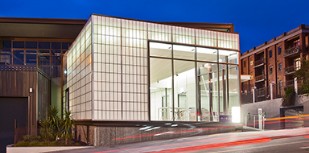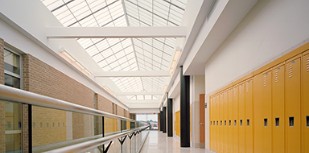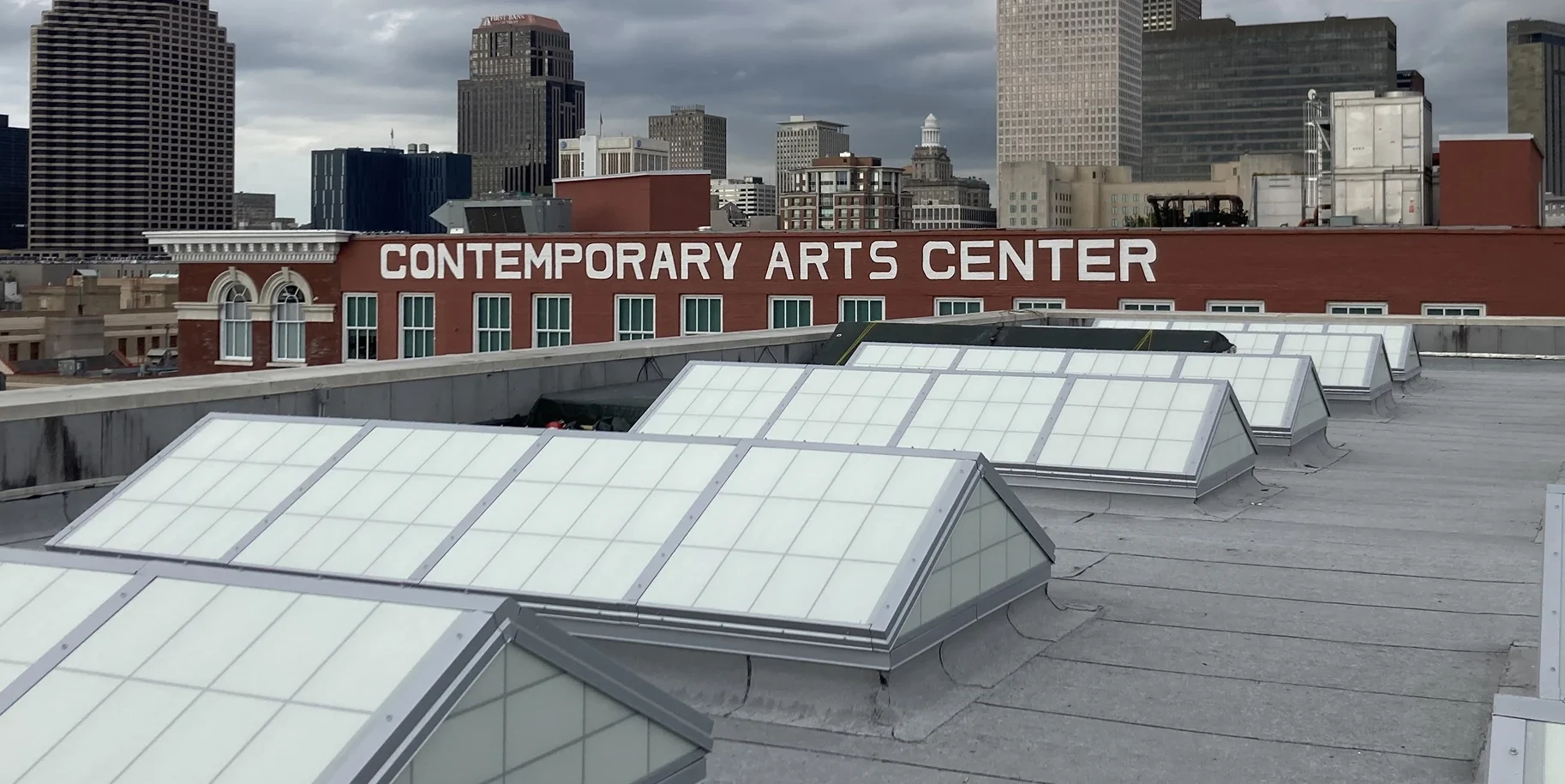
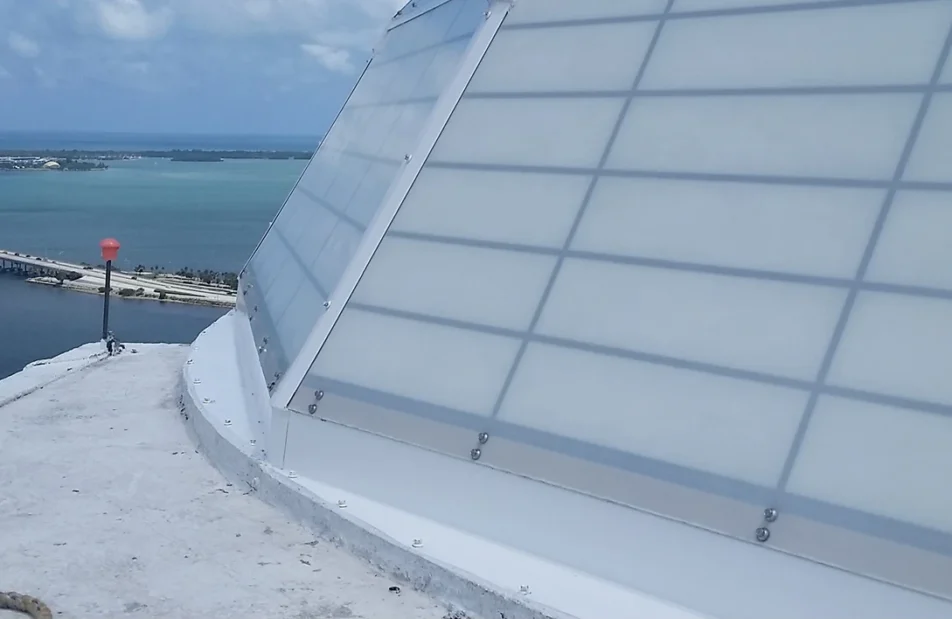
The assumption is understandable. Skylights leak in ordinary conditions, why would any architect or engineer consider a translucent roof assembly in a hurricane zone? The answer starts with what the product is actually made of and ends with an independent test report.
Kalwall’s hurricane-rated roof assemblies carry Large Missile D certification. In practical terms, this means the assembly was struck by a 9-pound piece of lumber traveling at 50 feet per second and emerged structurally sound and watertight. That’s not a marketing claim. It’s a test result.
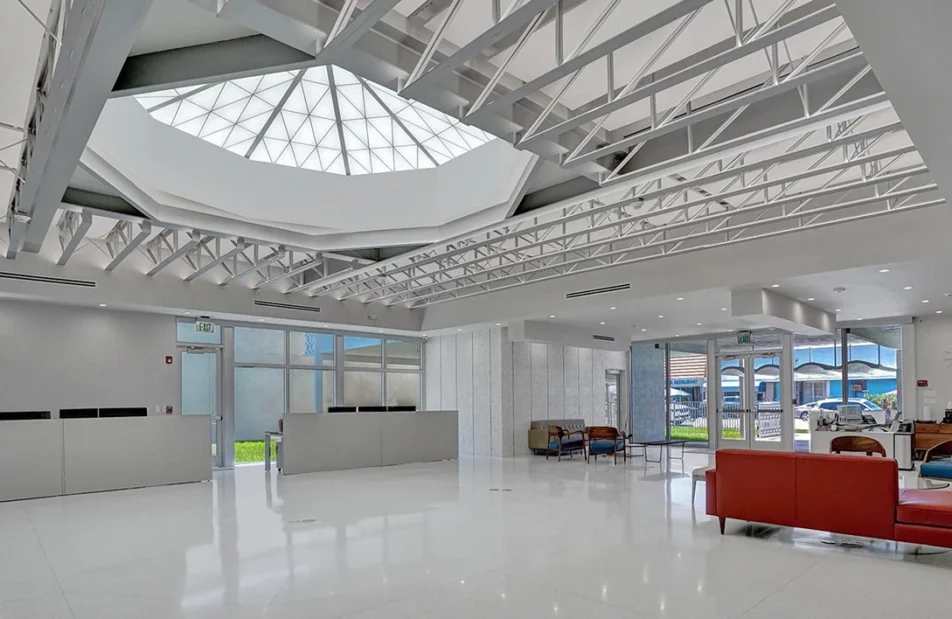
Kalwall meets hurricane and windborne debris requirements under ASTM E1886/1996 and Florida Product Approval, with roof assemblies rated to Small Missile A and B and Large Missile C and D. Large Missile D means the panel withstands a 9 lb length of lumber traveling at 50 feet per second with no penetration and no water infiltration. Just as important is what happens after the event: the assembly stays structurally sound and watertight, protecting the interior from the elements while a replacement is arranged. Few light-transmitting roof options can say the same. Aesthetics may be slightly impaired after a major impact, but the envelope holds.

Steel balls at defined velocities. Applies to many standard coastal construction requirements.
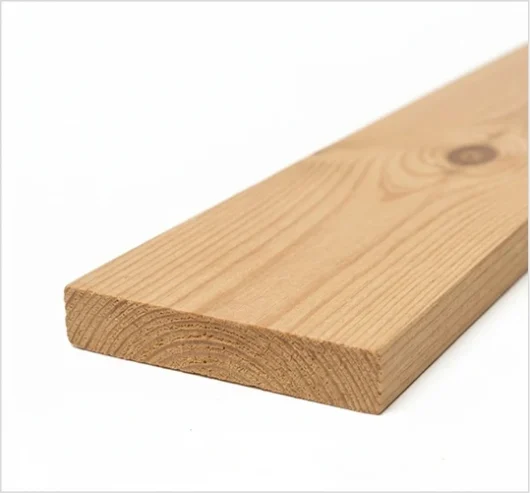
Higher-mass projectile. Required in many higher-exposure coastal zones.
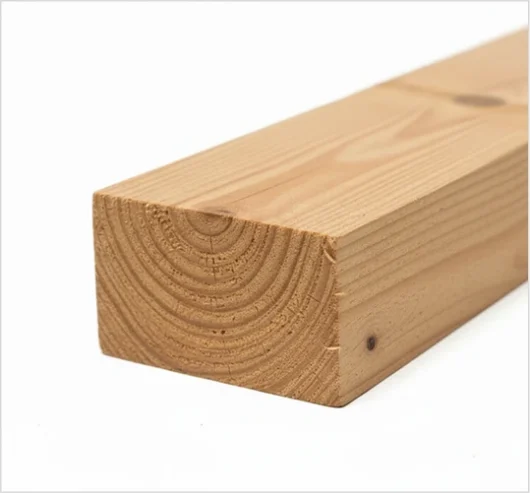
9-lb lumber at 50 fps. Kalwall is certified at this level.
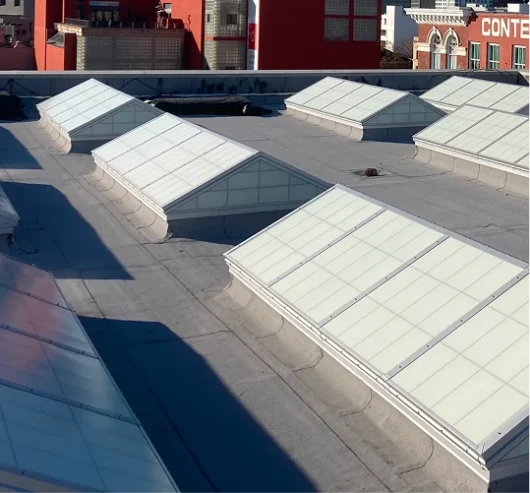
Hurricane-rated assemblies require the correct HHI face sheet configuration. Specify it explicitly in bid documents.
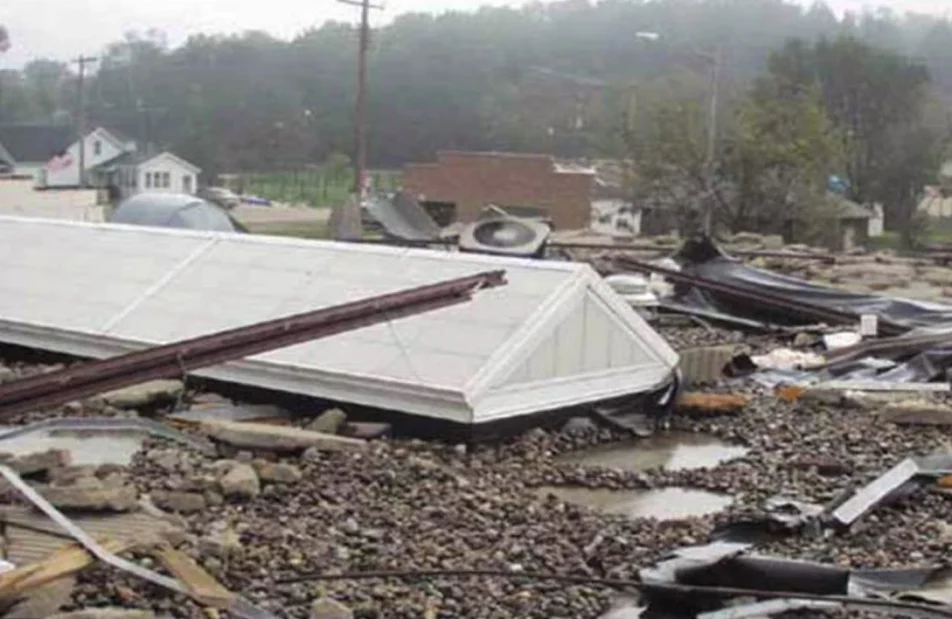
One of the less-discussed realities of hurricane performance is what happens after an event, not just whether the envelope survived impact, but whether the building remains protected while repairs are arranged. Kalwall’s hurricane-rated assemblies are designed to remain structurally sound and watertight after an impact event. The appearance may show some impairment, but the building interior stays protected from exposure to the elements.
Many competing products cannot make this claim. Glass that has taken an impact is compromised as a weather barrier. Kalwall holds the line.
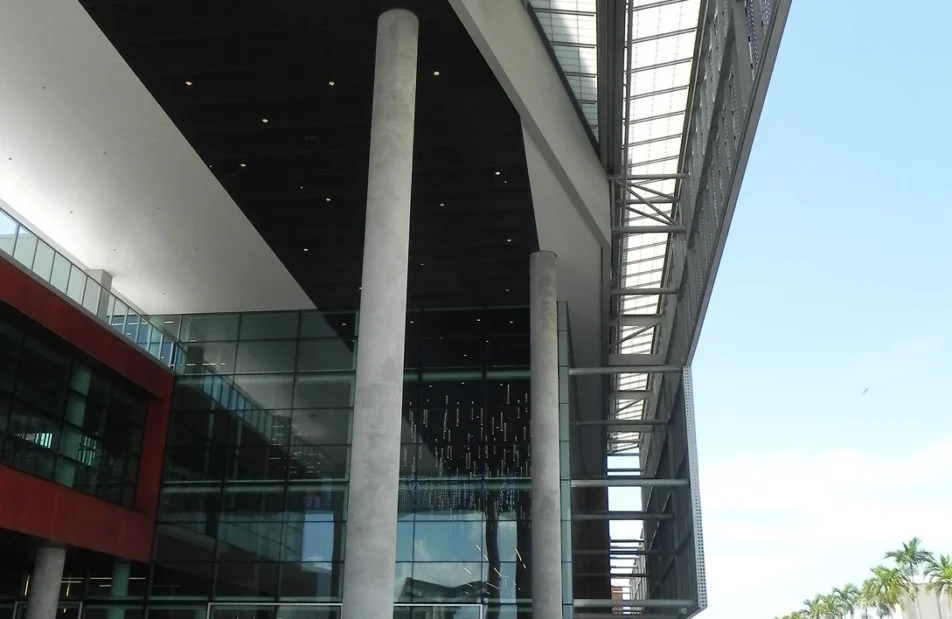
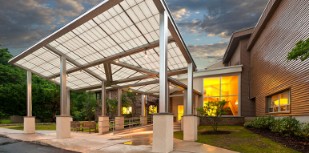
Canopy applications typically do not fall under windborne debris roof requirements. This distinction matters at specification — a canopy governed by wall provisions may require a different configuration and different documentation than a hurricane-rated roof assembly. Your local Kalwall representative can confirm which requirements apply and help specify accordingly.
Certifications and Standards
+ Small Missile A & B
+ Large Missile C and D
+ ASTM E1886 / E1996 — Standard test methods for windborne debris impact
+ Assemblies: Skyroof and skylight systems with HHI face sheet configuration
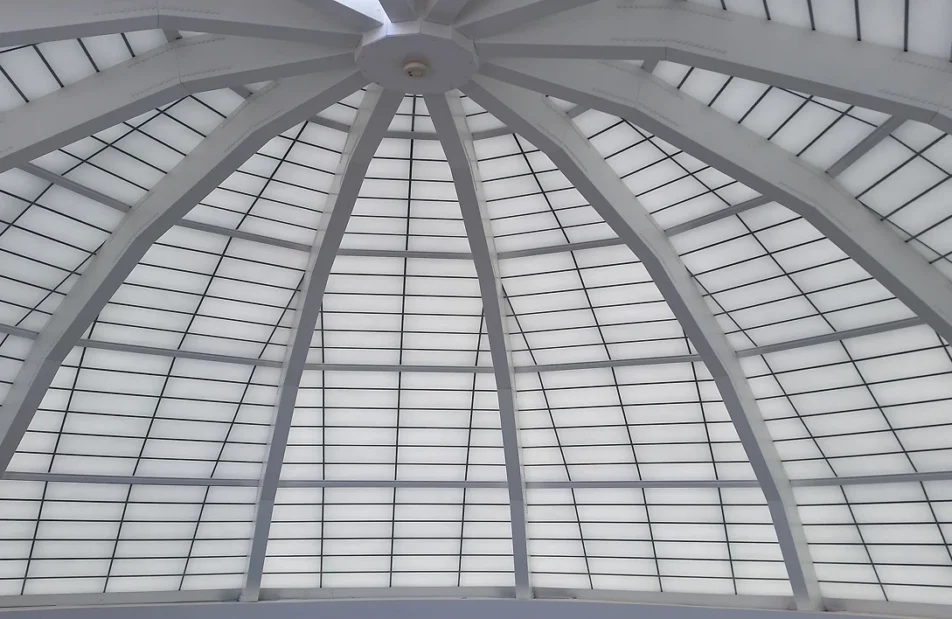
Hurricane-rated roof assemblies need to be specified correctly at the bid document stage — including face sheet selection, performance language, and warranty provisions. These are not items to resolve during submittal review. Engage your local Kalwall rep at preliminary design, provide the project’s location (zip code), height of application above grade, and wind load in PSF, and the correct path to specification is straightforward.