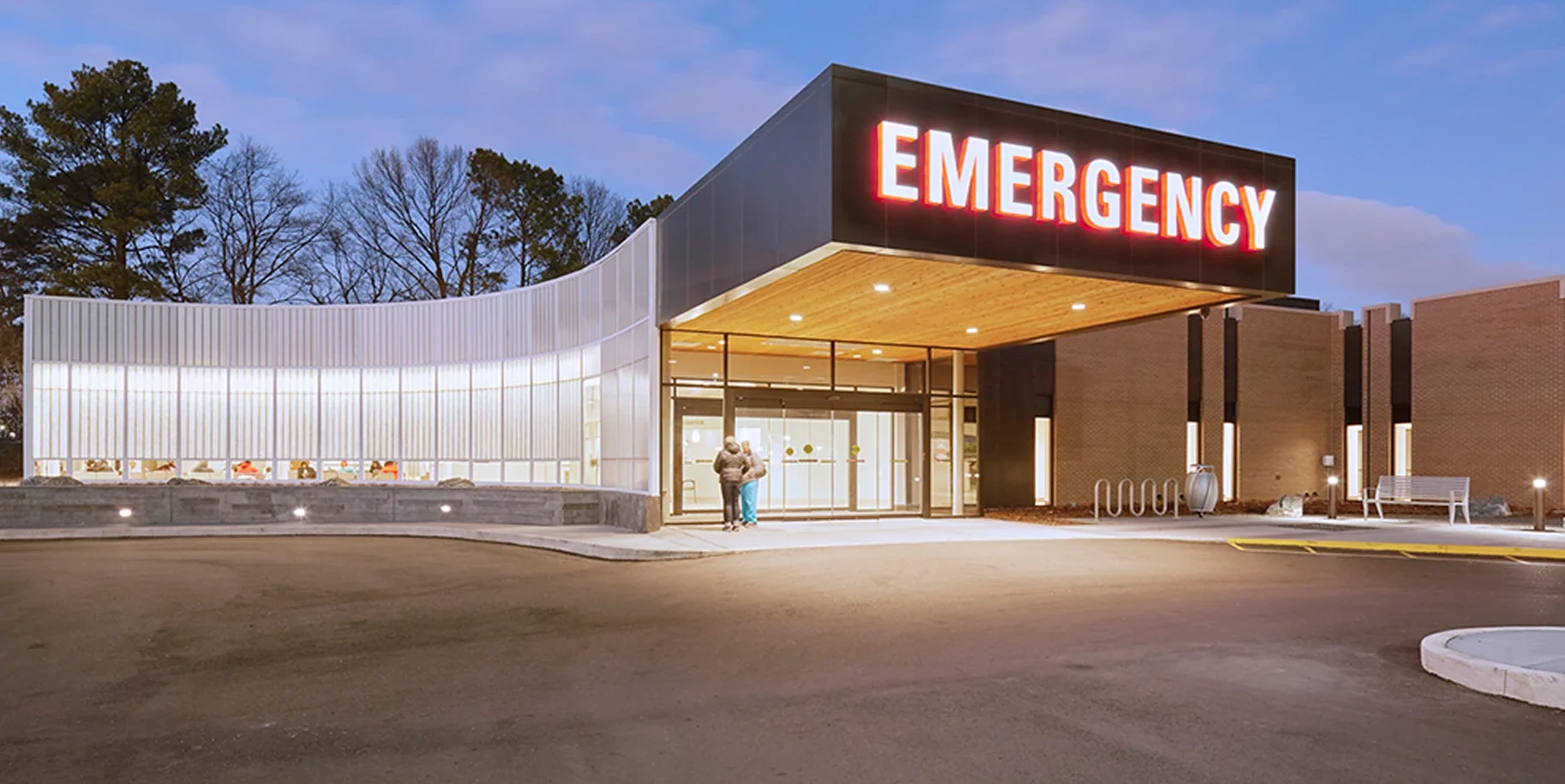
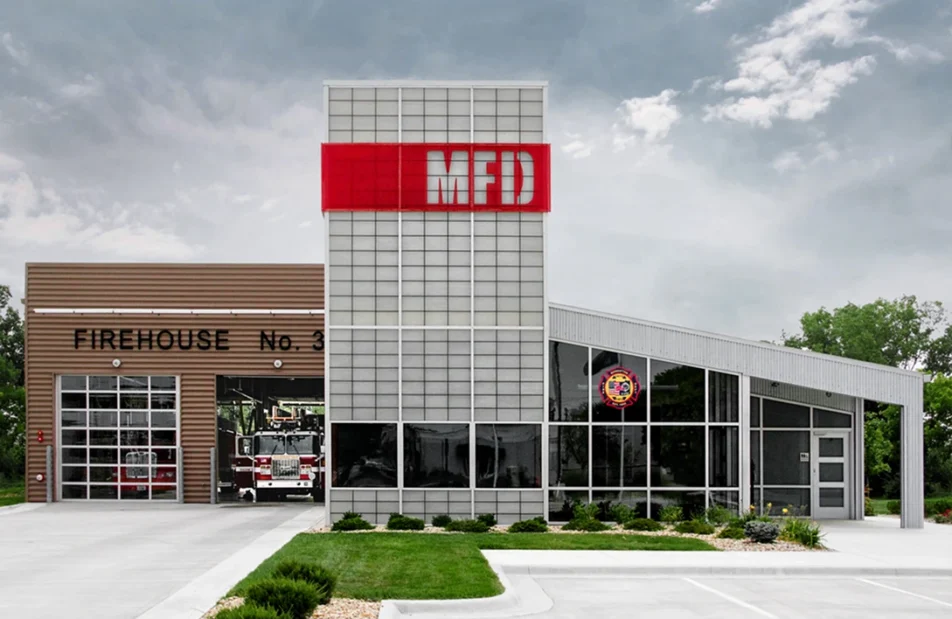
When fire safety comes up in specification review — and it always does — architects and engineers need more than a manufacturer’s reassurance. They need documentation, test reports, and a clear understanding of how the material actually behaves in a fire event.
With Kalwall, the answer is grounded in over 70 years of installation history and independent third-party testing. The panels are fiber-reinforced polymer composite — not polycarbonate, not thermoplastic. They do not melt. They do not drip. They do not propagate flame. When fire reaches a Kalwall panel, it chars. The material holds its position and maintains compartmentalization until the fire is controlled.
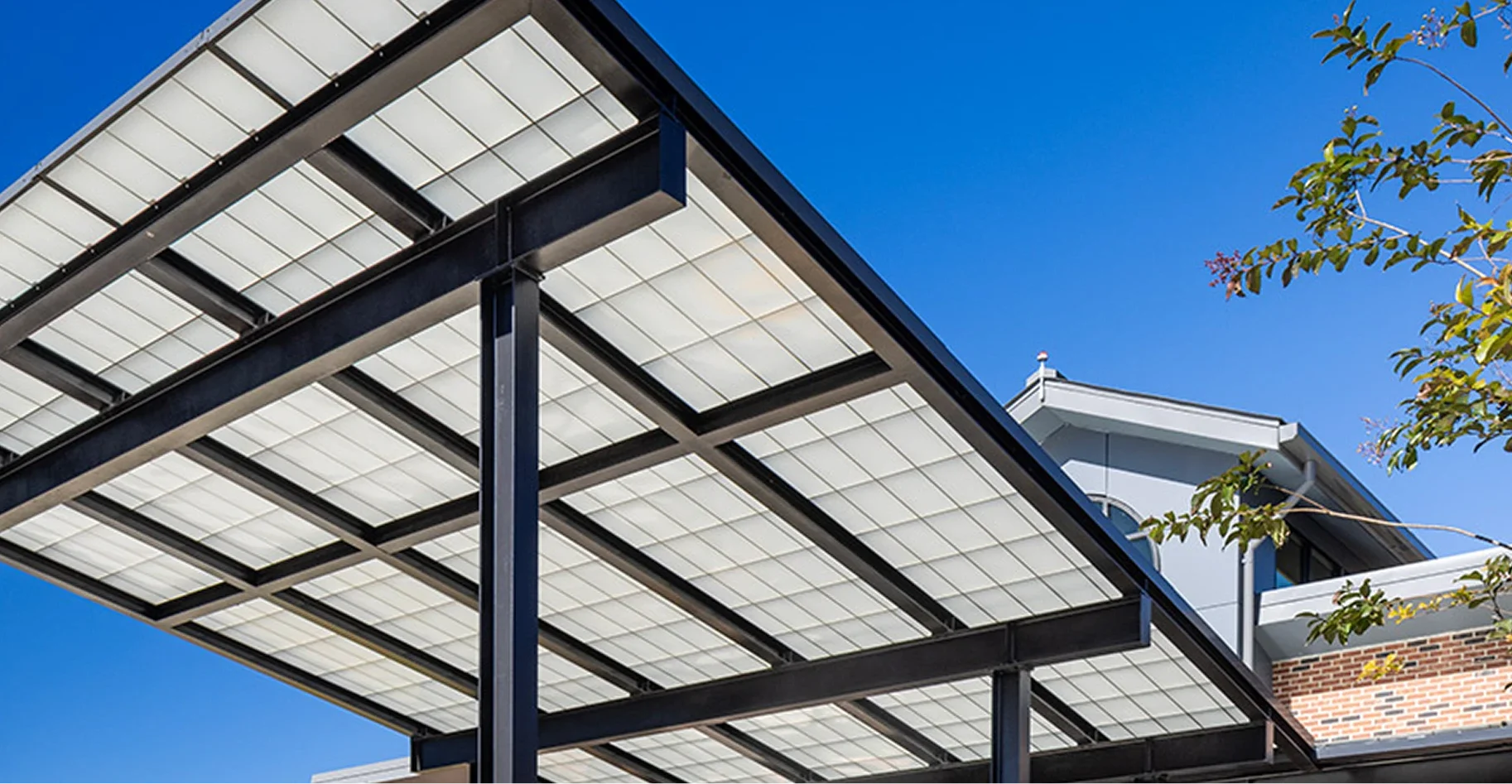
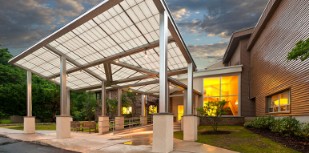
Canopy applications represent one of the most common contexts where Class-A fire performance becomes a determining factor. Kalwall’s certified configurations address these requirements, including the specific code language around exterior exposure, without eliminating the daylighting benefit that makes a translucent canopy worth specifying.
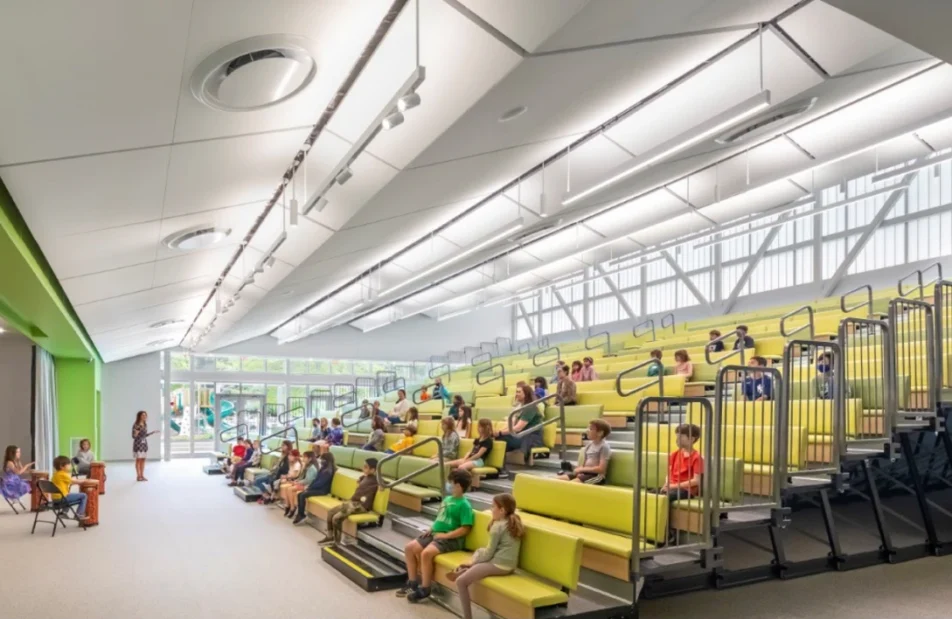
The assumption that translucent panels are inherently fire-prone is driven by experience with thermoplastic glazing products — polycarbonate which melts when subjected to fire resulting in burning plastic droplets which can cause floor burning, toxic black smoke and active fire spread. Kalwall
behaves differently because it is a fundamentally different material class.
Fire performance most often becomes a deciding factor at two moments in a project: during preliminary design, when an architect is determining whether a product is appropriate for the occupancy classification; and during spec review, when the code authority requires proof. Kalwall is positioned to satisfy both.
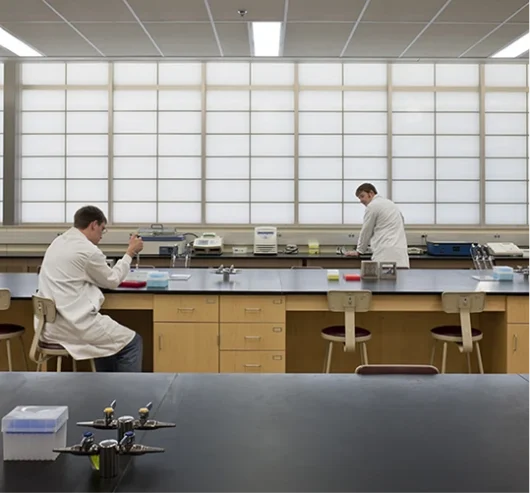
All fire ratings are verified by third-party testing, not manufacturer claims. Documentation available for specification.
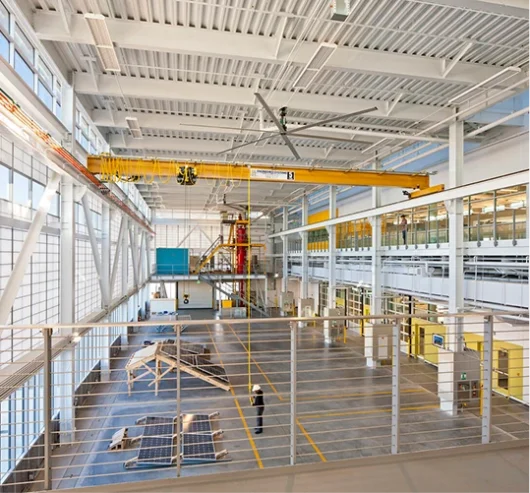
Life safety inside the building depends on smoke control, not just flame spread. Kalwall’s smoke ratings support both criteria.
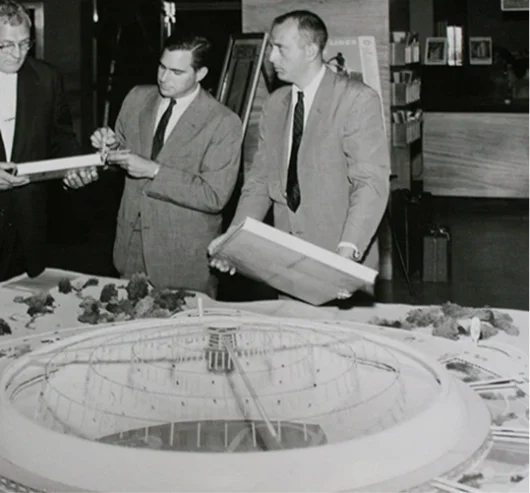
Installed in virtually every environment imaginable — including the most demanding fire-code jurisdictions.
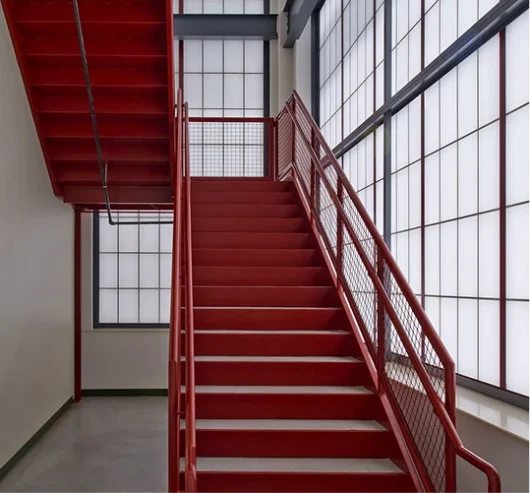
Class-A configurations require coordination. Engage your local rep at preliminary design to confirm compliance path.
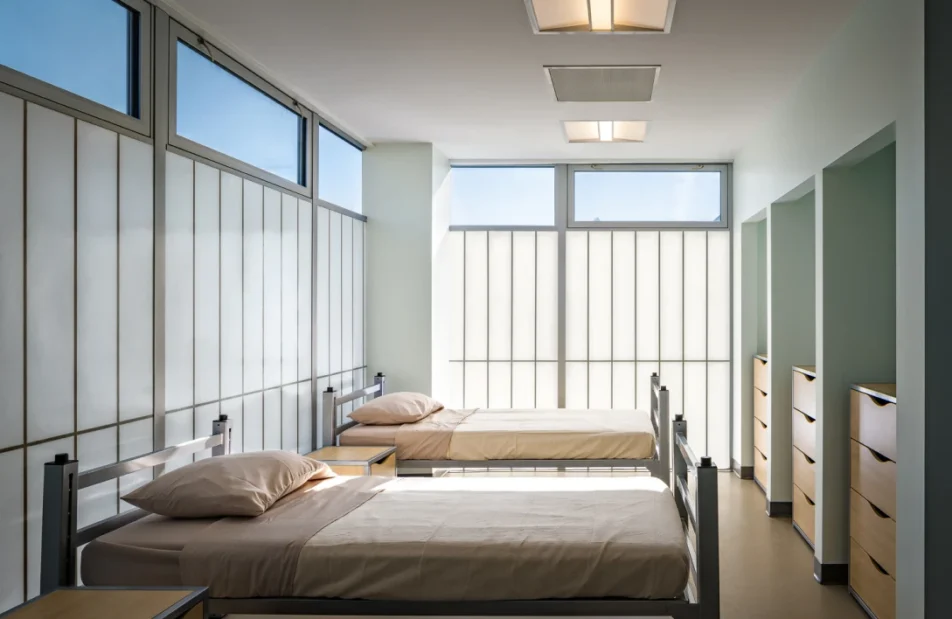
When fire reaches a Kalwall panel, it chars — but it does not propagate. The fiber-reinforced polymer matrix does not support continued combustion the way thermoplastics do. This behavior is the basis of Kalwall’s Class-A ratings under the relevant standards, and it is observable in live test conditions.
For projects where fire ratings are required, Kalwall’s fire performance stands on the same panel technology used across its full product range — with specific face sheet and assembly configurations selected to meet the code requirement at hand.
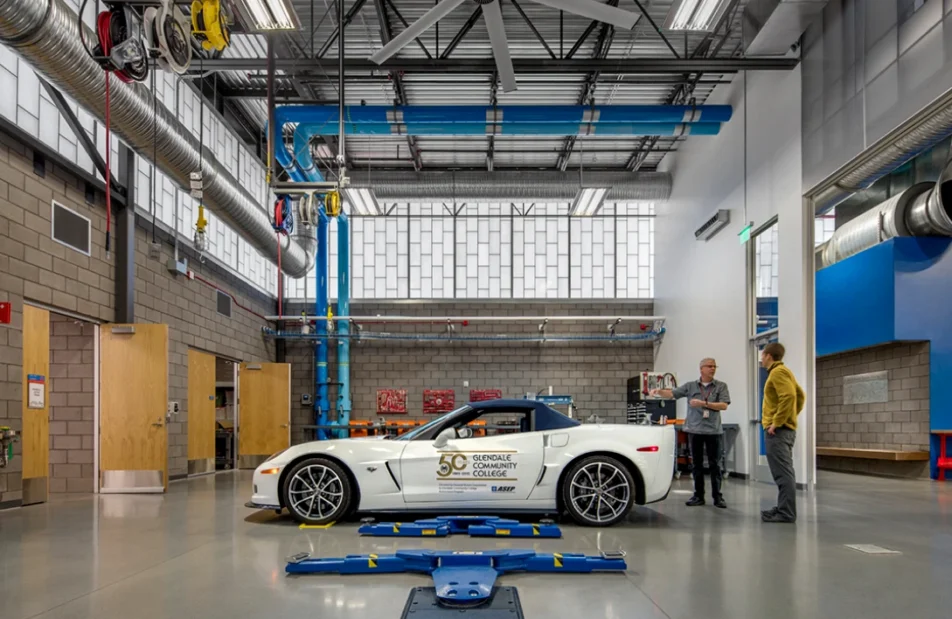
+ UL 723 / ASTM E84 — Surface burning characteristics
+ NFPA 285 — Multi-story fire propagation
+ UL 790 / ASTM E108 — Class A roof covering
+ ASTM D635 — Horizontal burning
+ ASTM E2707 — Fire resistance of exterior walls with combustible components
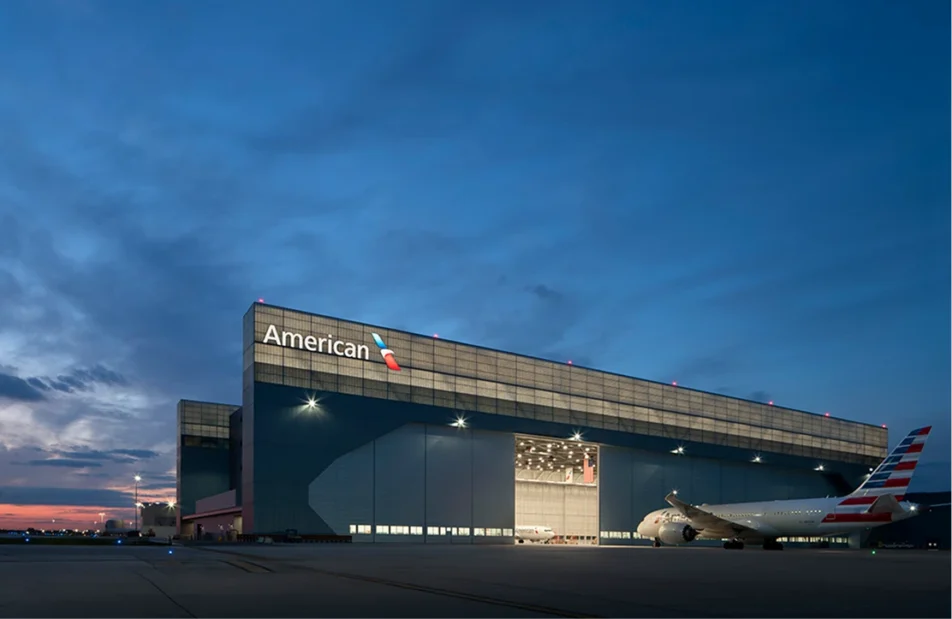
If Class-A fire performance is required, the fastest path to compliance is through your local Kalwall representative.
Reps work with regional managers to identify the correct face sheet and assembly configuration for the specific code requirement you’re facing.