

For facilities insured by FM Global — pharmaceutical plants, data centers, high-value manufacturing, and any asset where the cost of a business interruption exceeds what conventional insurance products manage — the wall assembly is subject to the same scrutiny as the roof. FM Class I exterior wall requirements address fire propagation and the risk of envelope breach under extreme wind pressure.
In practice, this means the wall assembly must demonstrate that it won’t detach from the structure and that it won’t allow fire to spread along the exterior. It’s a demanding standard. And Kalwall meets it.
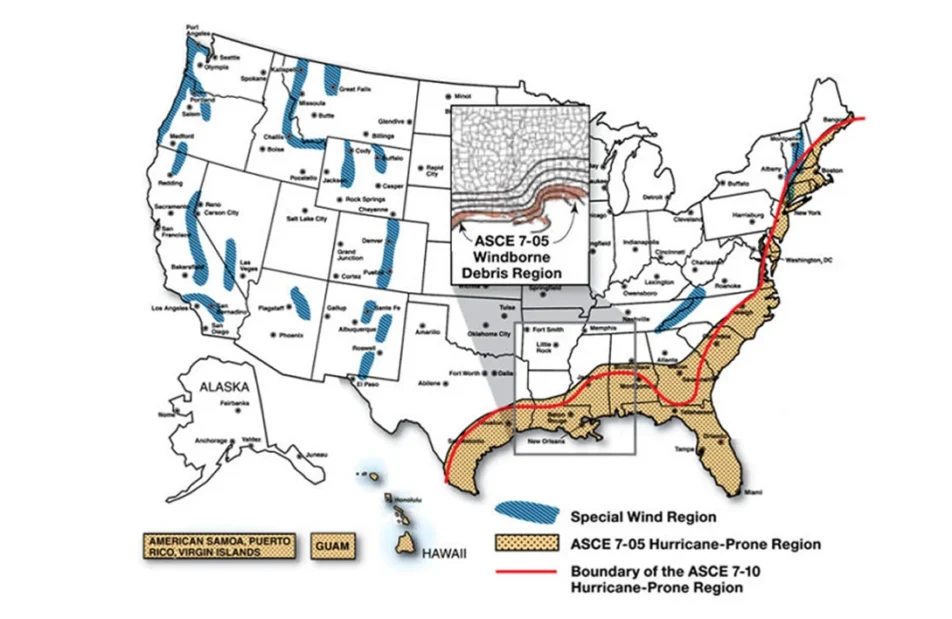
FM 4881 covers fire performance and wind resistance of exterior wall systems — the risk of external fire propagation and panel detachment under storm pressure.
This standard confirms that a wall assembly behaves as a sealed, resilient element of the building envelope under the conditions FM Global considers credible loss events — not just design loads, but real-world fire, wind, and pressure scenarios.
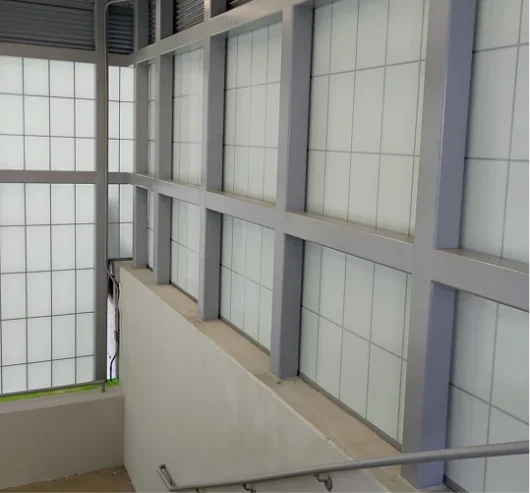
The assembly resists external flame spread — the FM Global standard that most directly governs exterior wall performance.
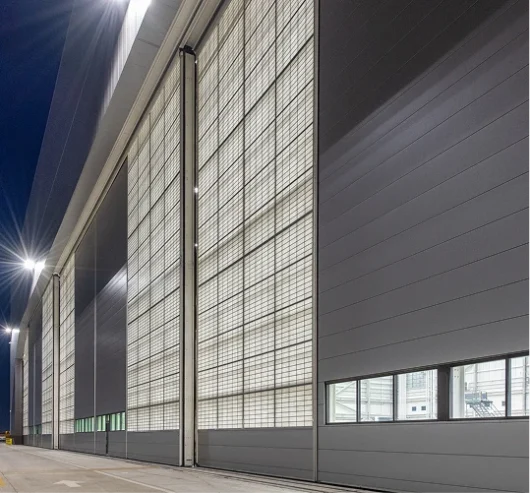
Panel attachment is tested to confirm resistance to detachment under extreme pressure — the critical life-safety and envelope-integrity criterion.

The assumption that only insulated metal panels can meet FM Class I wall standards is wrong. Kalwall does — with the added benefit of natural daylighting.
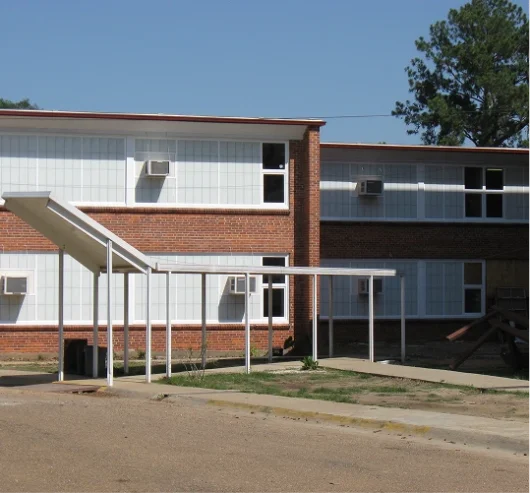
FM compliance requires specific face sheets, grid sizes, and panel dimensions. These must be established at structural design.
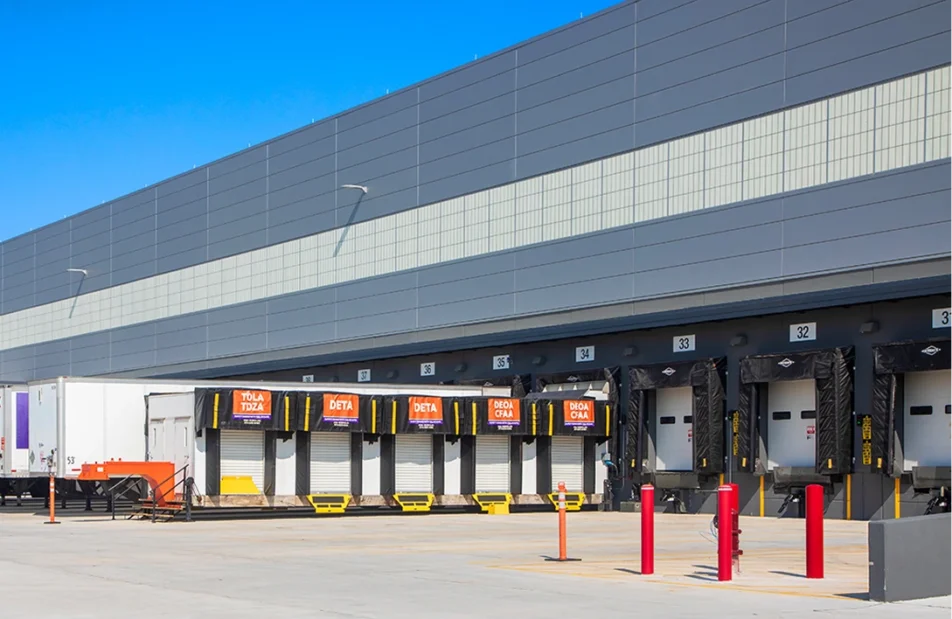
FM Class I exterior wall certification is not a common credential for light-transmitting products. The testing protocol is rigorous, the configuration requirements are specific, and the criteria are set to protect high-value assets against real loss scenarios — not theoretical ones. Few translucent systems have achieved it. Kalwall is listed in the FM Approval Guide.
The design constraint worth noting: FM-compliant configurations require specific face sheet selections and grid sizes. These are not decisions that can be adjusted late in design without re-evaluating compliance. Minimum panel dimensions also apply. All of these parameters need to be established at structural design — not during spec review.
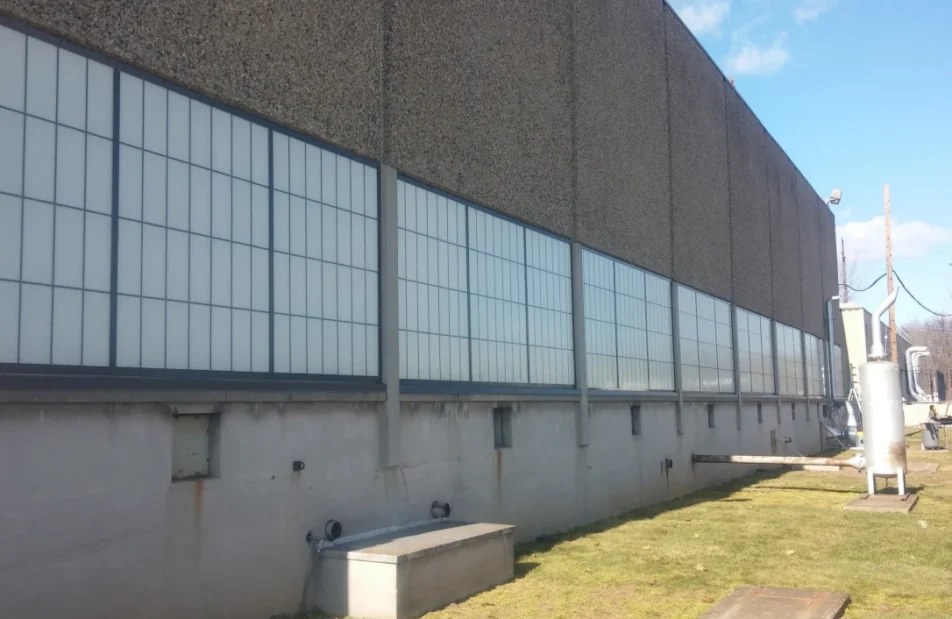
+ FM 4881 — Approval standard for Class 1 Panel Walls
+ Specific face sheet and grid core configurations required
+ Minimum panel dimensions apply
+ Listing verifiable in the FM Approval Guide

FM wall compliance needs to be on the table at structural design. The span requirements, panel size minimums, and attachment details that define a compliant assembly are structural decisions — and changing them after the structural frame is set is expensive. The earlier Kalwall is engaged on an FM-governed project, the cleaner the path to a compliant, well-specified system.

Working on a project in a hurricane-prone region? Share your project location, wind load criteria, and application details early to identify the right wall system for the code requirements and design intent. Kalwall can help review tested configurations, specification language, and documentation needs before they become costly design changes.